
BEST VIEWED ON LAPTOP
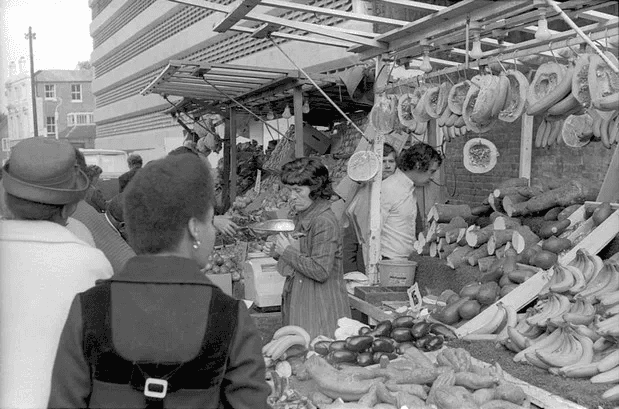
BRIXTON IN THE 70s

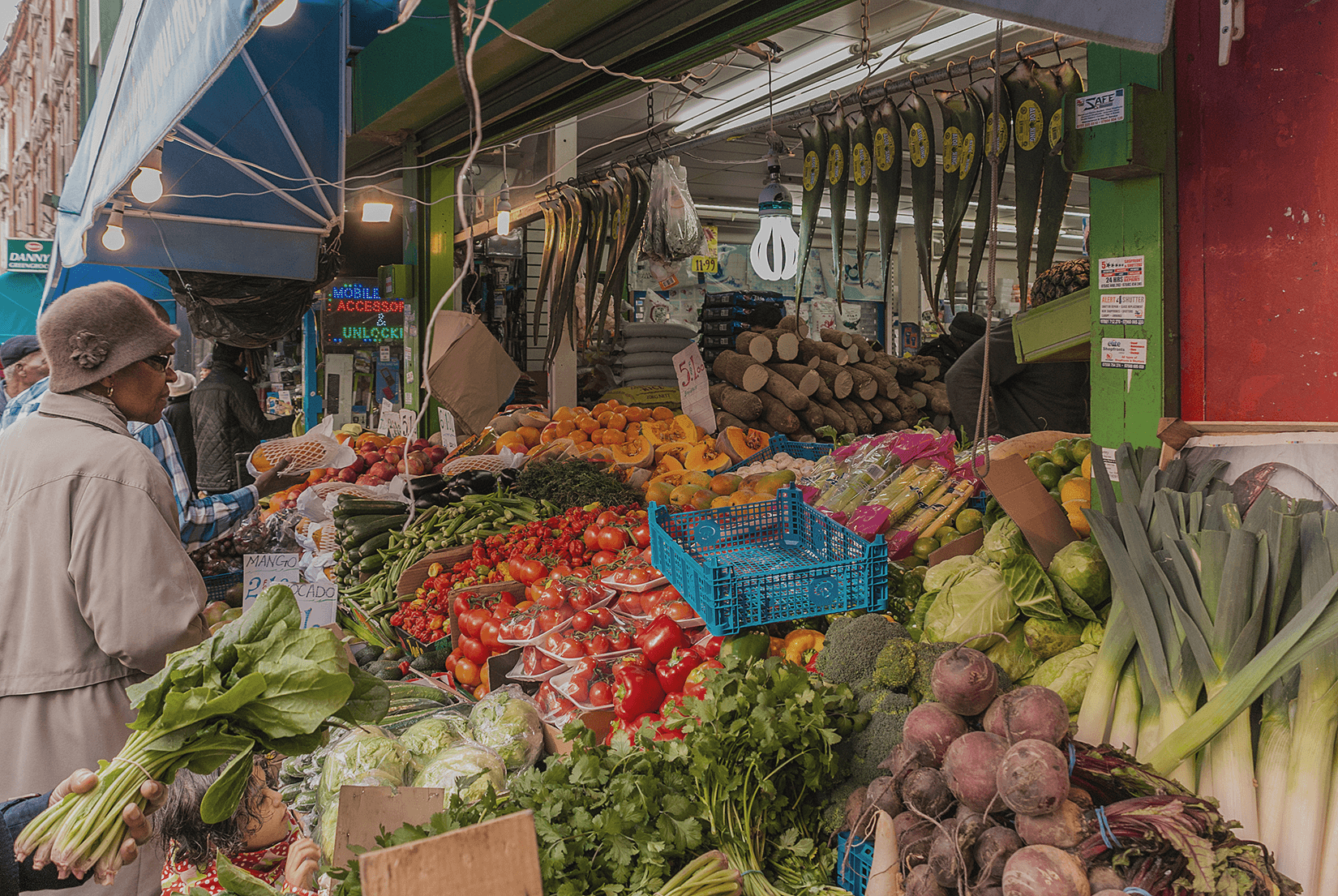
2026
Known worldwide as one of the most lively places in Britain, Brixton owes a lot of its reputation to the large immigrant population, particularly those from a Caribbean background, whose presence dates back to the 40s.
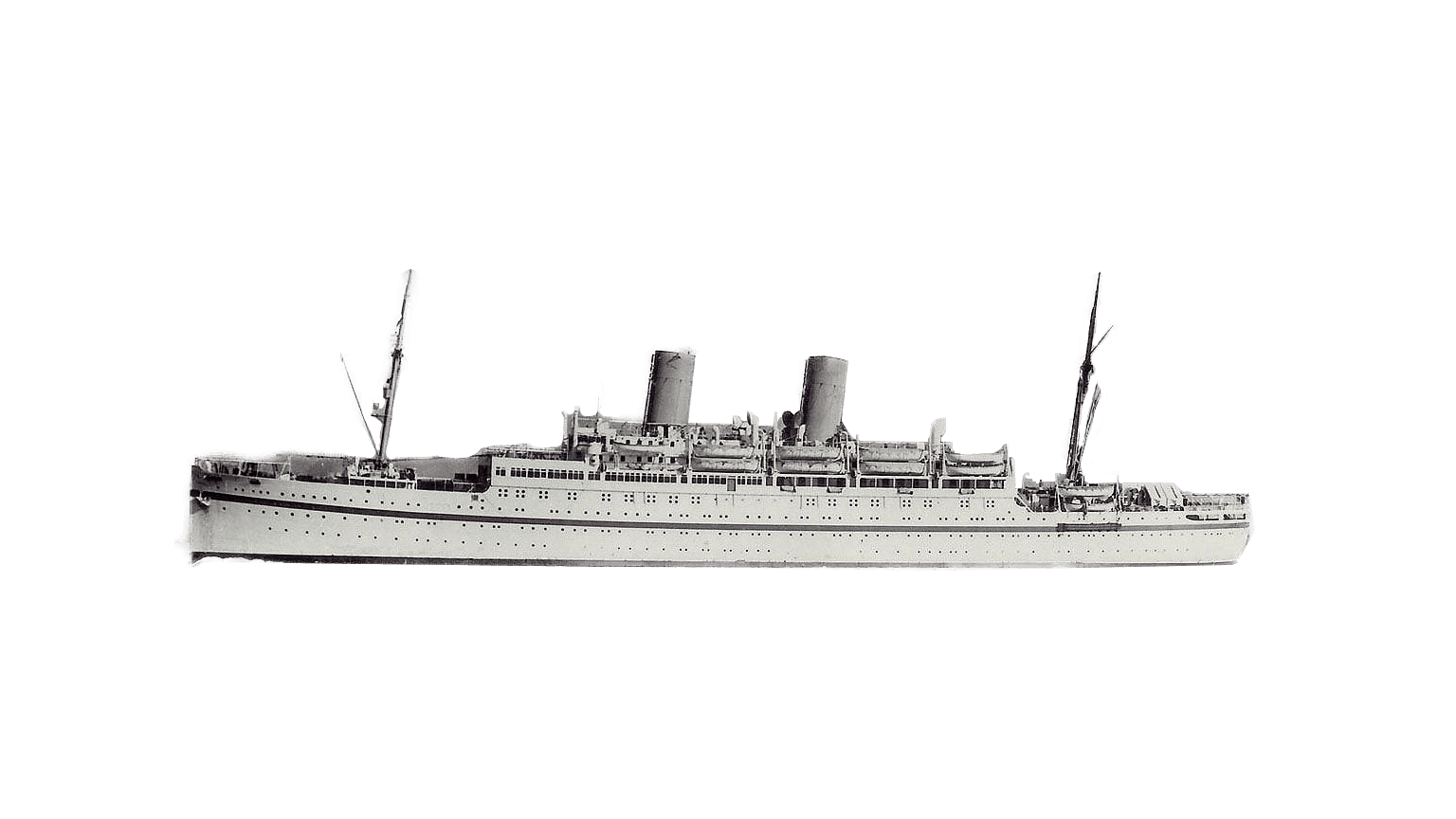

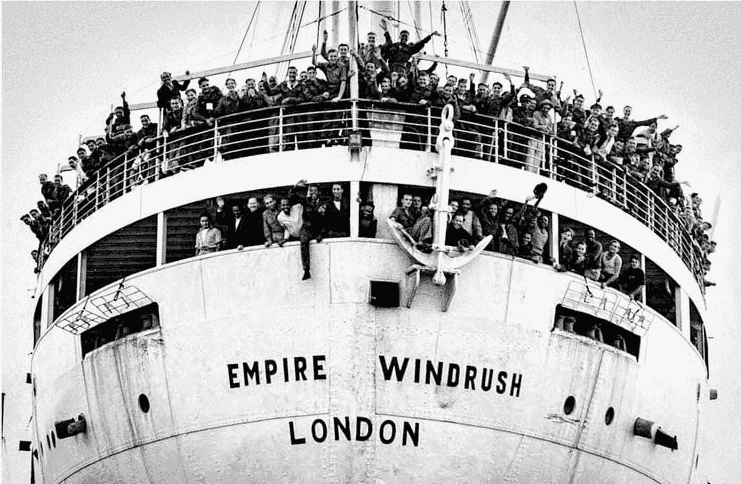
After World War II, Britain was flooded with immigrants from their former colonies to help rebuild the country. Many of these were West Indians, who picked up jobs in transport, post or the newly created NHS.
In South London, migrants were initially placed in air-raid shelters in Clapham, before finding work in the Labour Exchange in the nearby Brixton, and ultimately settling there.
Soon Brixton would be well-known as a hub for Caribbean culture, the market becoming filled with Caribbean and African foods like yam and plantain, and the clubs filled with reggae and dancehall music.
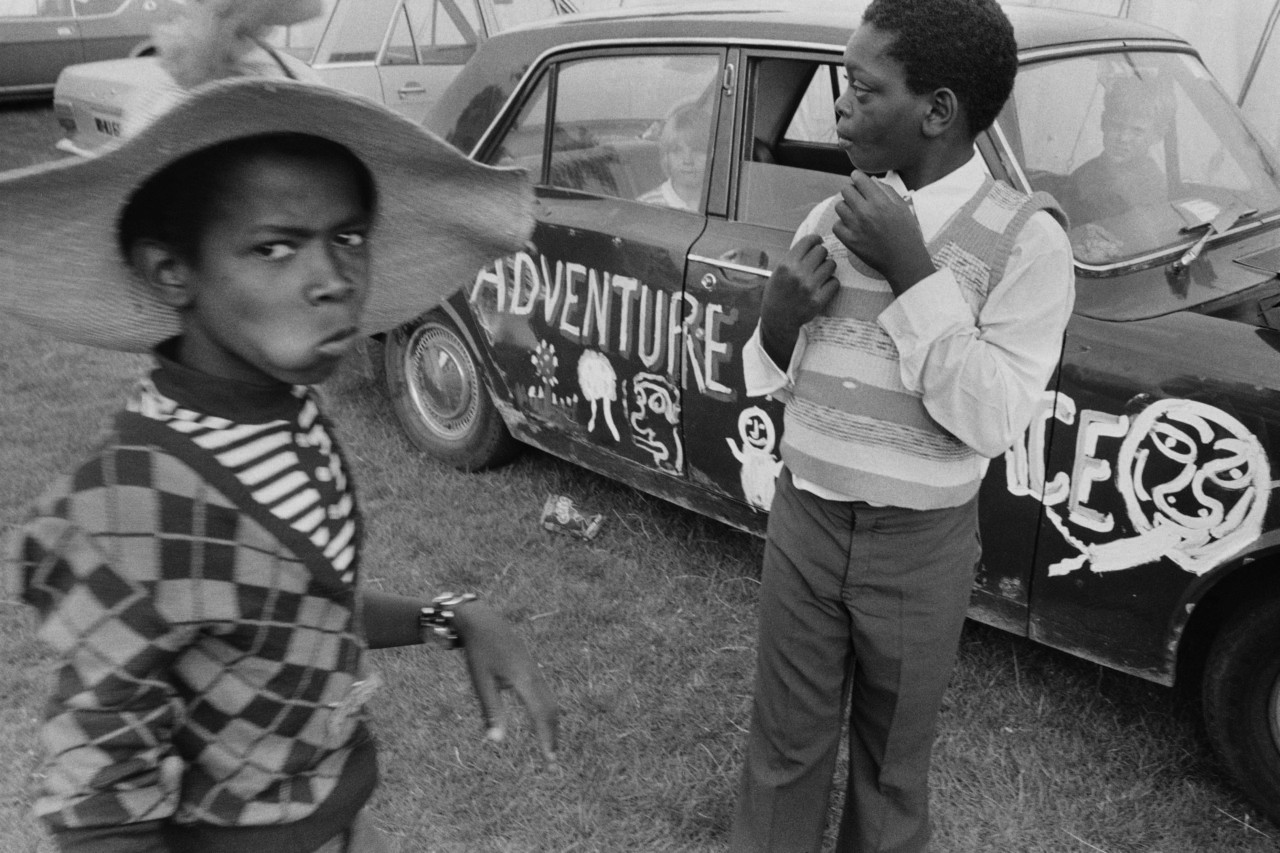
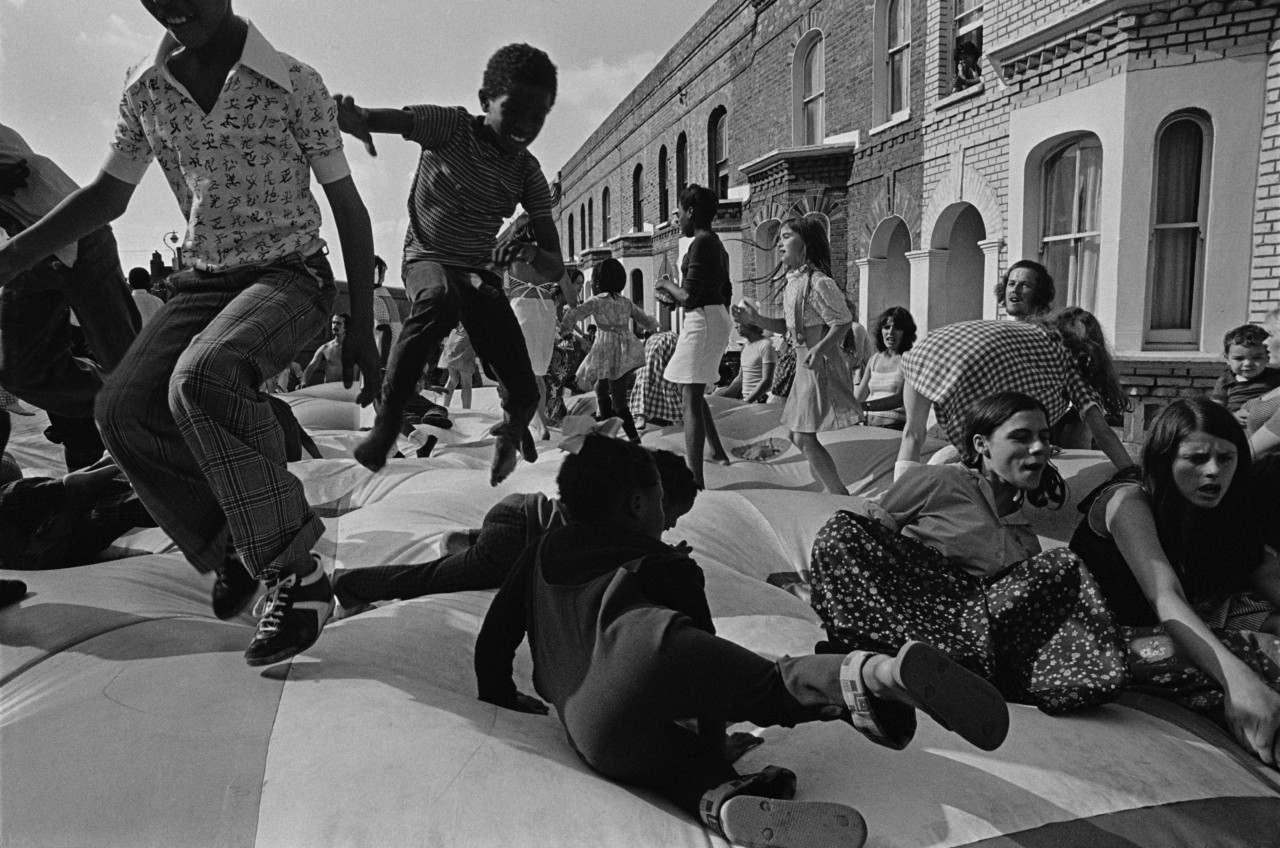
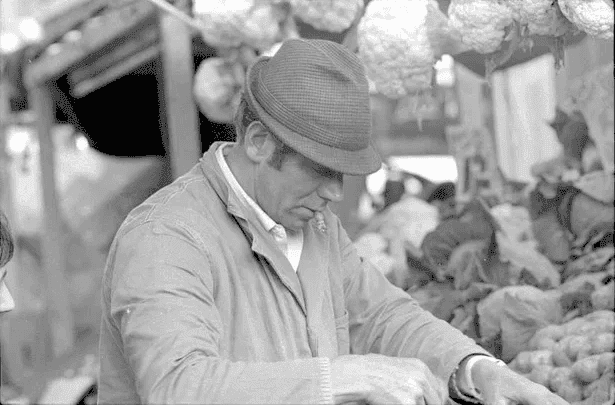


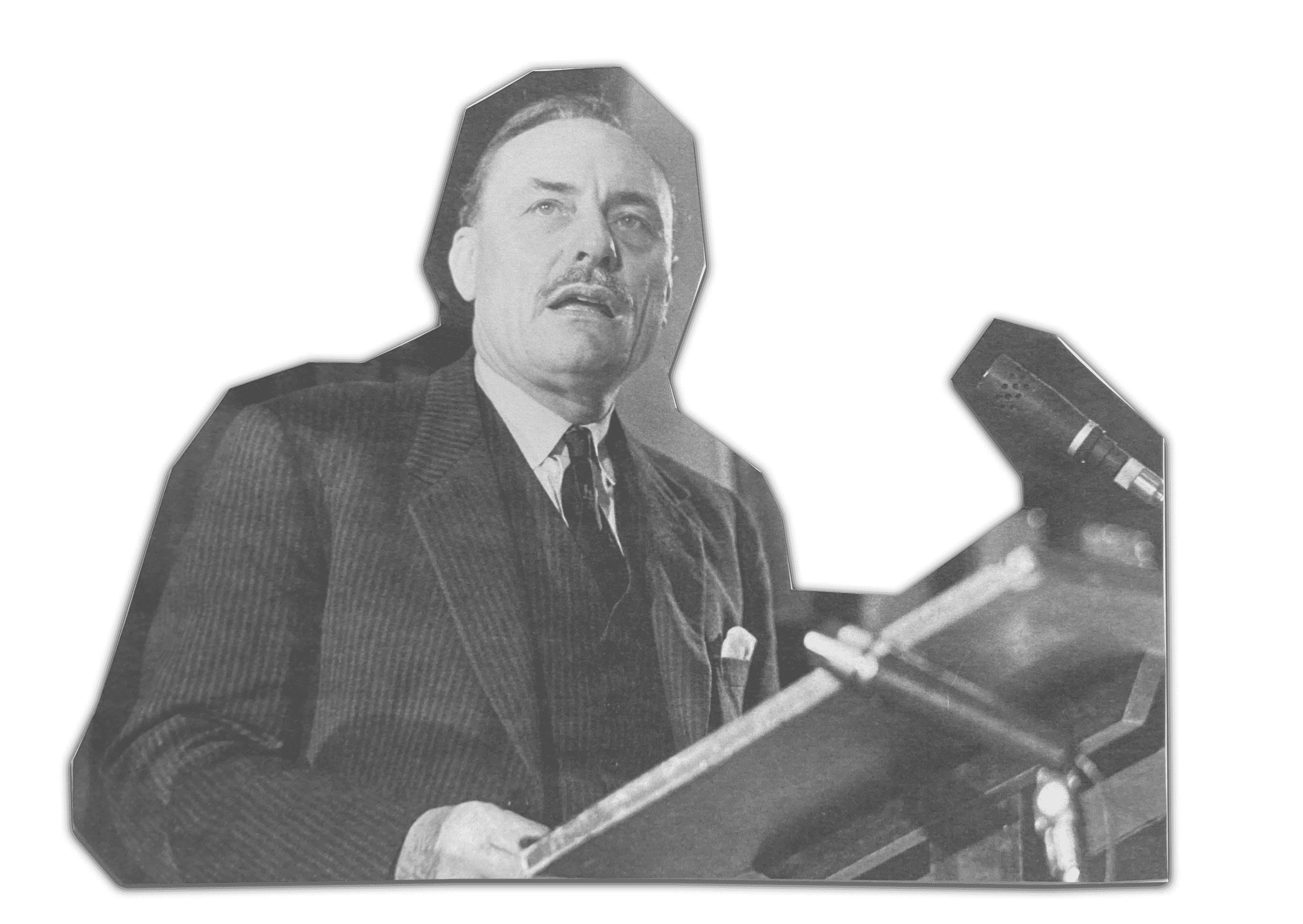
Many were denied entry in certain pubs, churches or restaurants, as well as housing or jobs. Anti-immigrant sentiment began to rise amongst many white Britons, exacerbated by Enoch Powell’s infamous “Rivers of Blood” speech. In 1971, the Immigration Act slowed the arrival of Caribbean migrants, restricting immigration for those who did not hold work permits or have parents or grandparents born in the UK.
Despite this new-found community, Black migrants had faced racism since their arrival.

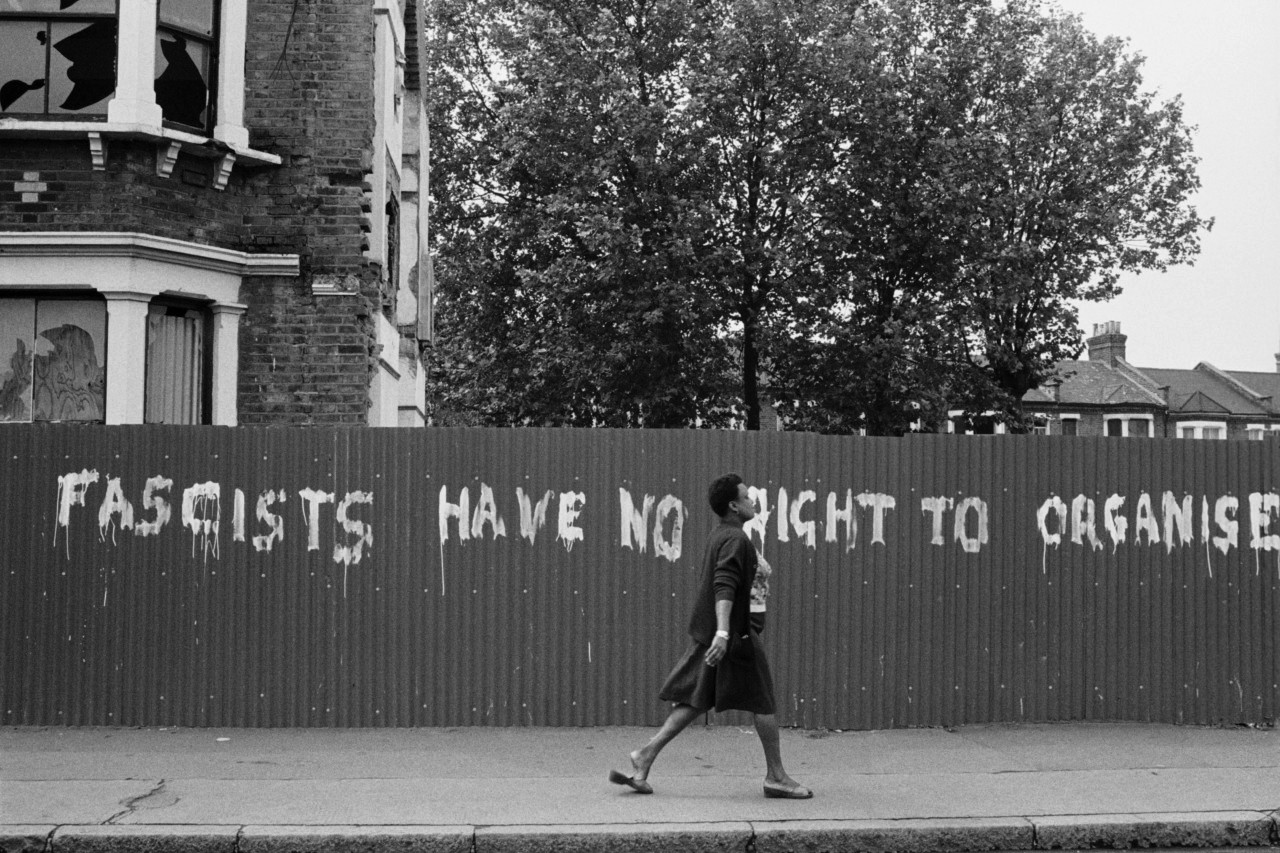
In the 70s, the National Front began garnering support. The NF are a far-right fascist group who oppose immigration, aiming to maintain a ‘white Britain’ by deporting immigrants and their descendants, particularly non-whites. Their marches targeted predominantly Black and Asian areas, aiming to intimidate the locals, and whilst many Britons opposed their ideology, their presence remained strong with little police intervention.
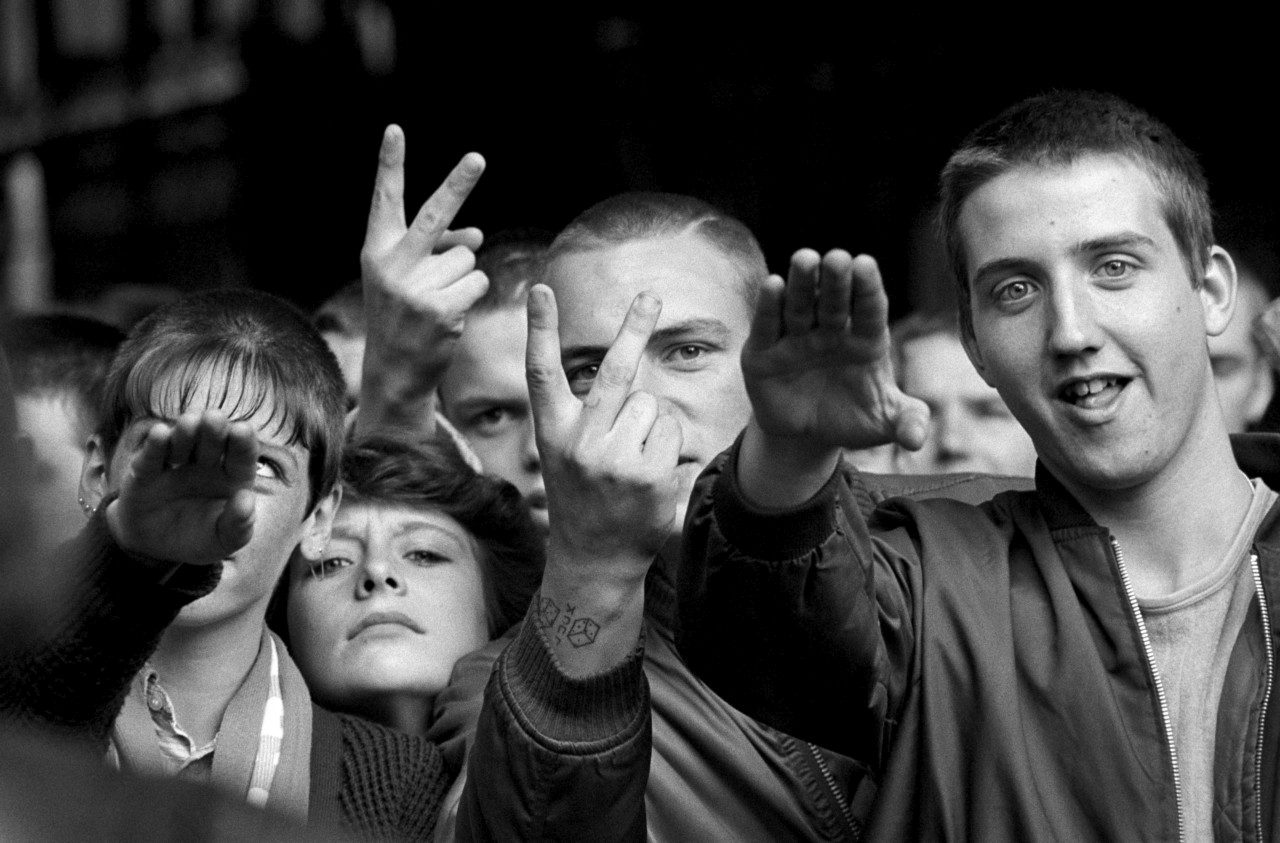
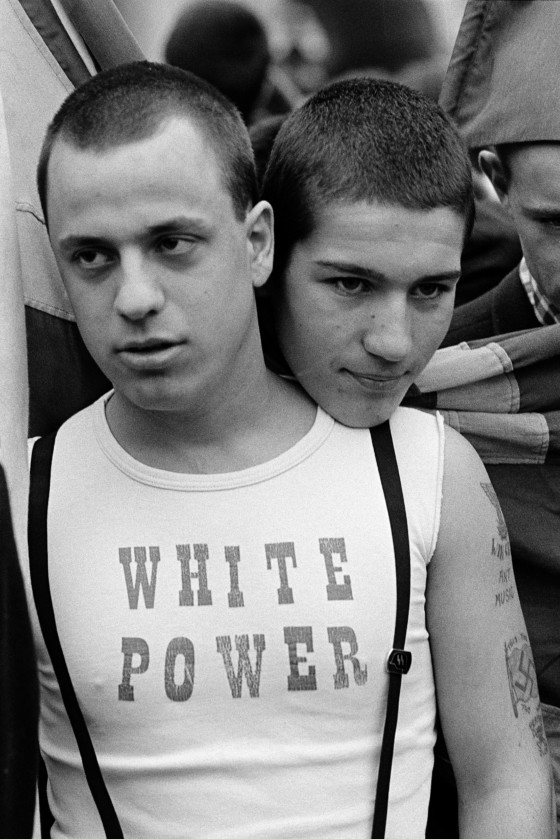

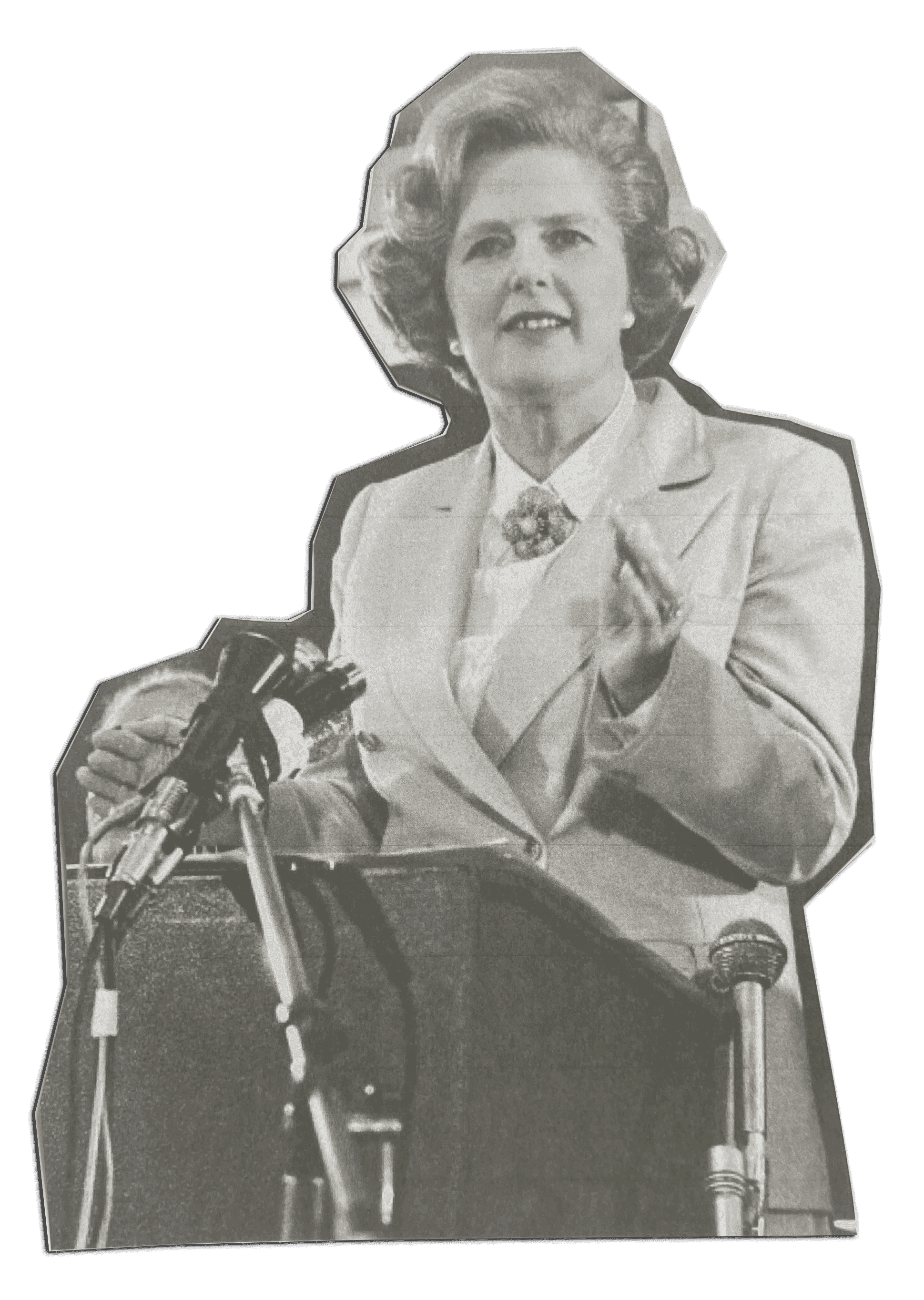
In 1978, Margaret Thatcher would make an infamous speech expressing concern that ‘this country may be rather swamped by people of a different culture’. The following year the Conservative Party were voted in with Thatcher as prime minister.
PATRICIA JOHNSON, 15
lloyd hall, 20
steve collins, 17
GLENTON POWELL, 15
OWEN THOMPSON, 16
HUMPHREY BROWN, 18
ANDREW GOODING, 14
PETER CAMPBELL, 18
patrick cummings, 16
YVONNE RUDDOCK, 16
GERRY PAUL FRANCIS, 17
PAUL RUDDOCK, 22
ROSALINE HENRY, 16
ANTHONY BERBECK, 20
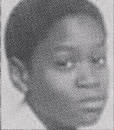
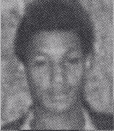
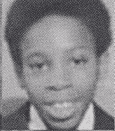
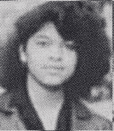
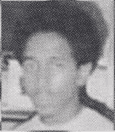
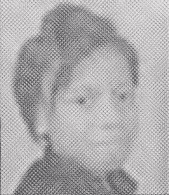
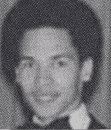
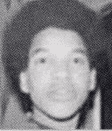
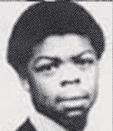
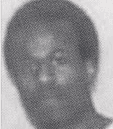
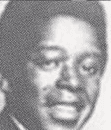
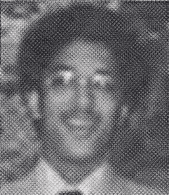
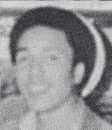
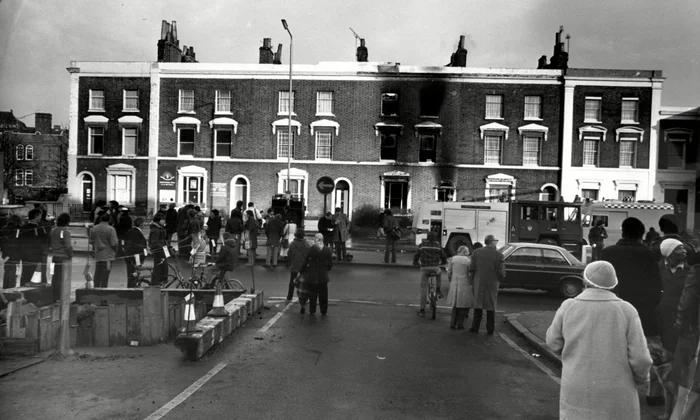
In January 1981, a fire broke out at a party nearby in New Cross, and 13 young Black people aged 14 to 22 were killed, with many others left with life-long injuries. The investigation of the event quickly dismissed the idea of a racially-motivated petrol bomb attack, instead focusing on the idea that it was caused by a fight from within the party.
Two years after the fire, Anthony Berbeck - who had been suffering emotional and psychological trauma - became the fourteenth victim.
1981

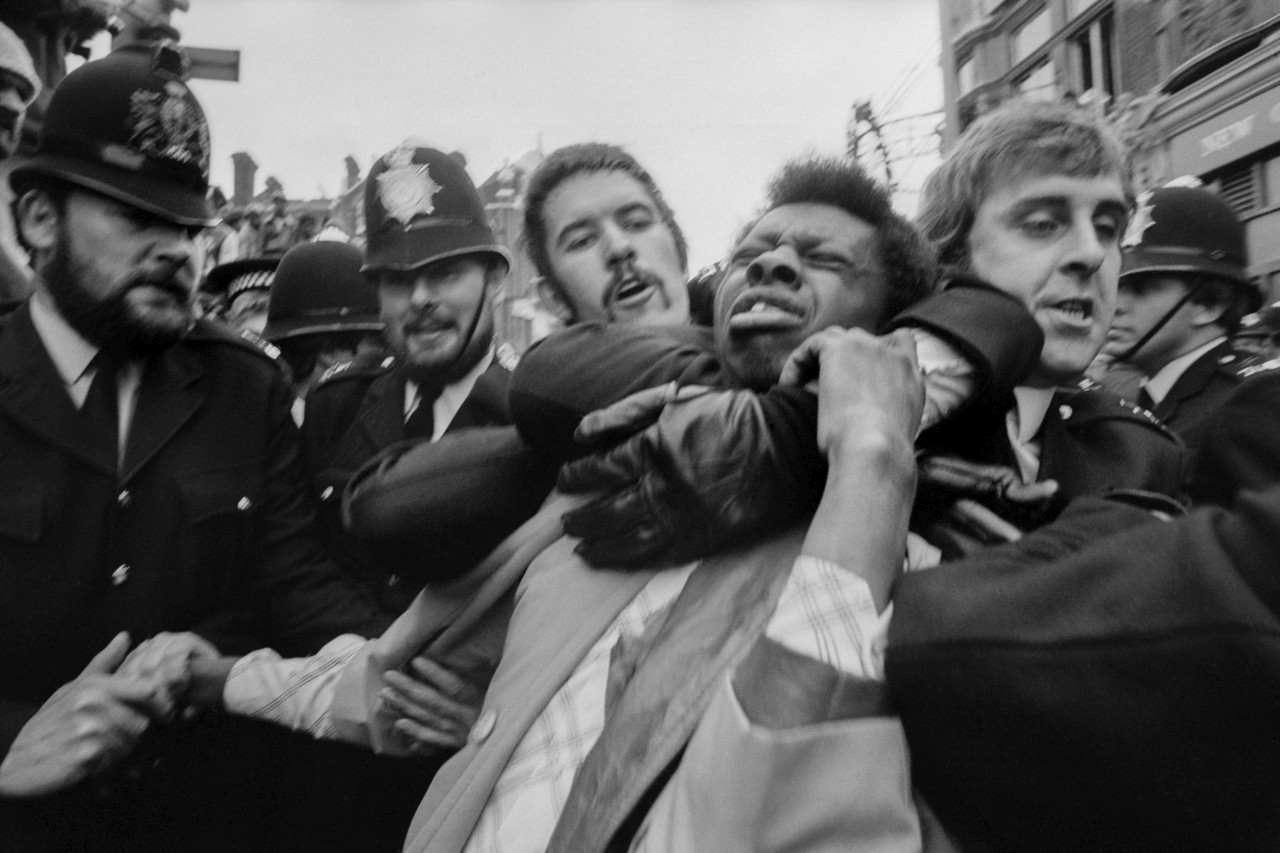
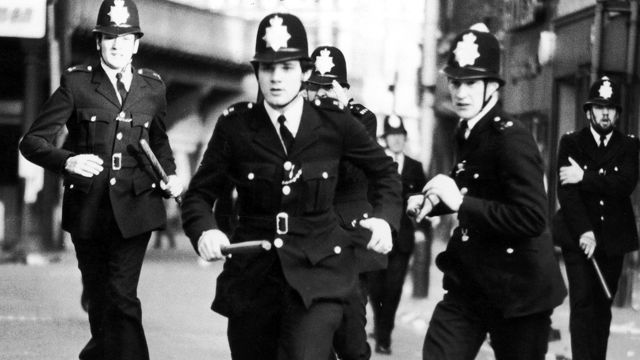
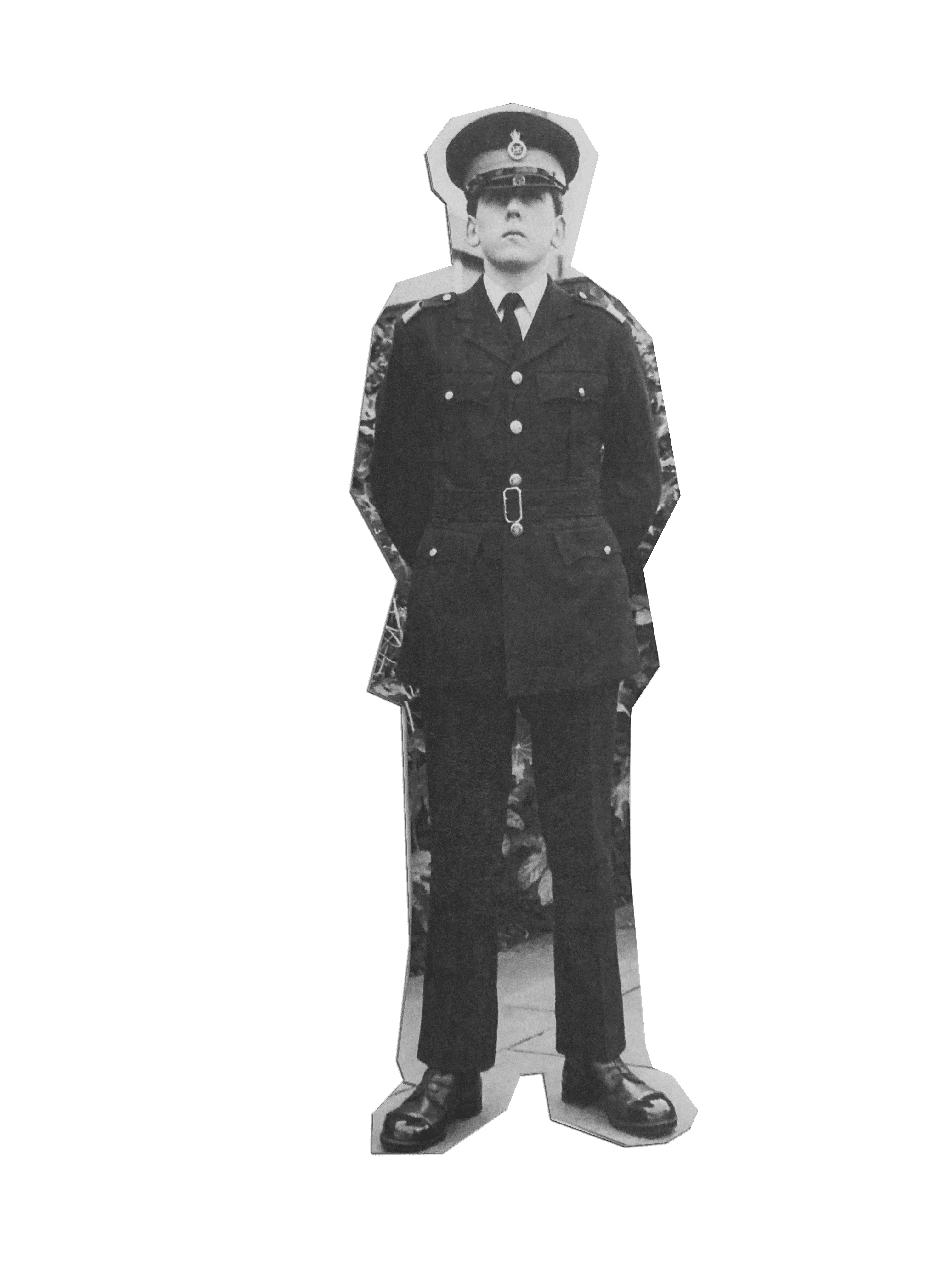
Tensions between police and the Black community in Brixton were already high. Police were known to be particularly violent with Black residents, targeting them at a disproportionate rate.
In 10 days, 150 plain-clothes officers made around 1000 stops and 150 arrests. Some residents reported being stopped three times in one day.
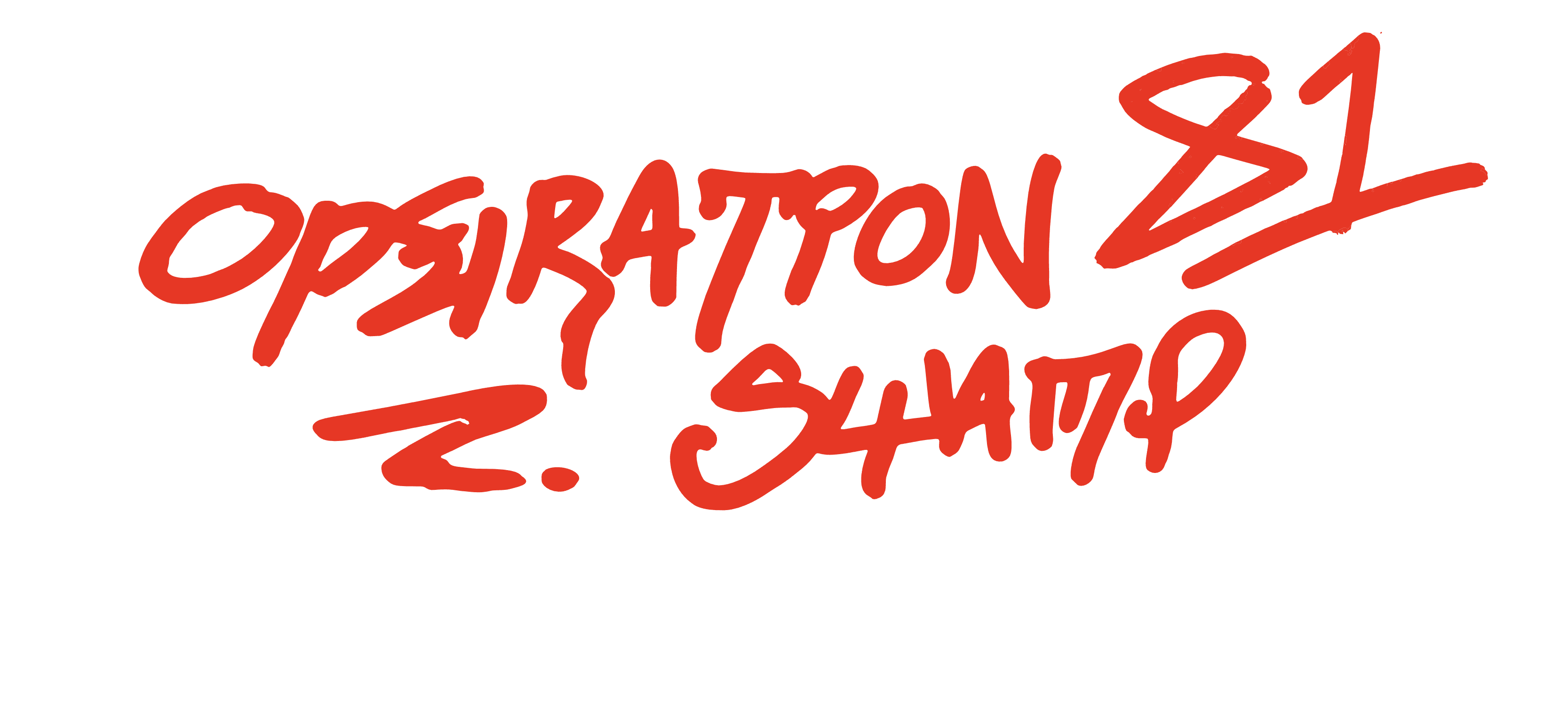
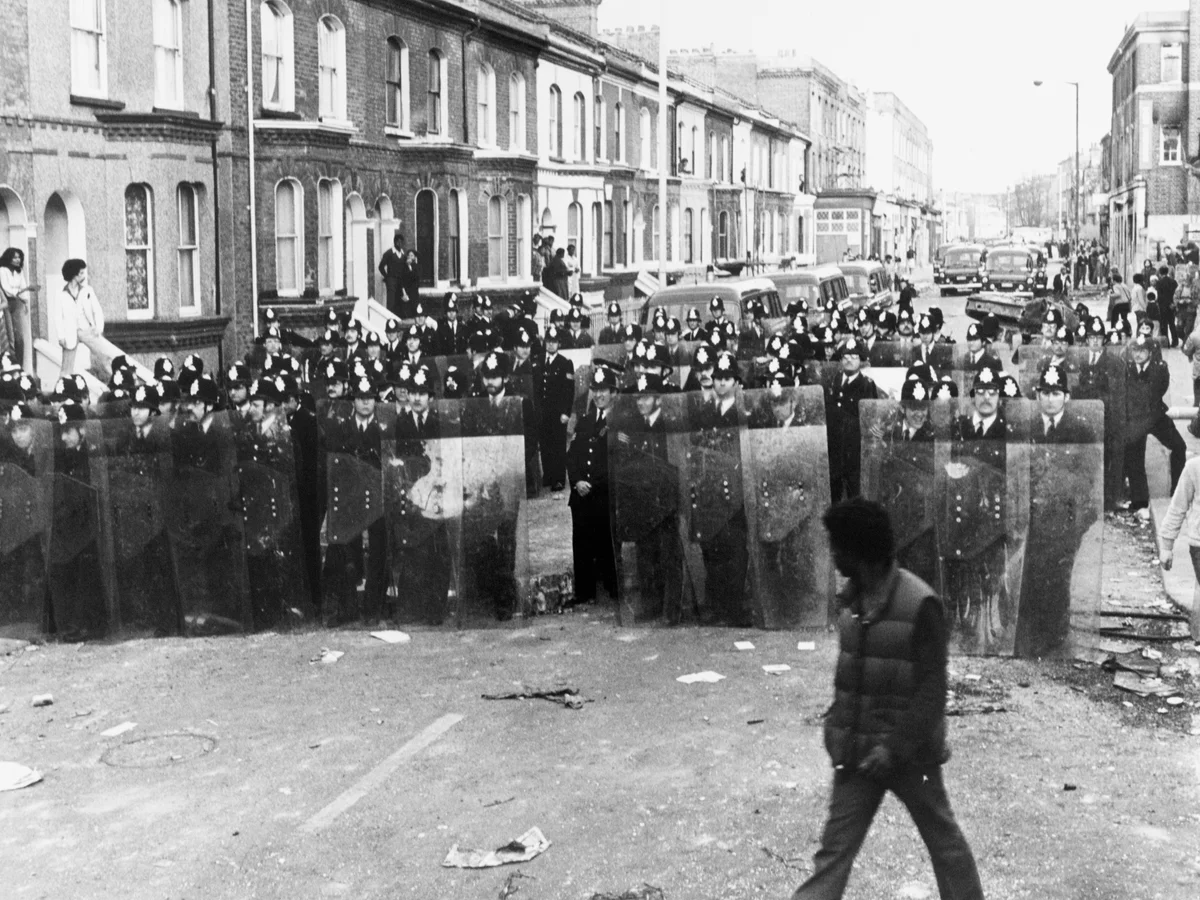
Already facing racism and brutality from police, tensions would reach boiling point with the new ‘Operation Swamp 81’ in April of that year. Created in an attempt to tackle the high crime rate in Brixton, the operation drew its name from Margaret Thatcher’s speech, and aimed to ‘swamp’ Brixton with police. It used old stop and search, also known as ‘sus’, laws which allowed police to stop anyone on simply the suspicion of committing a crime. These laws targeted Black youth at a disproportionate rate.
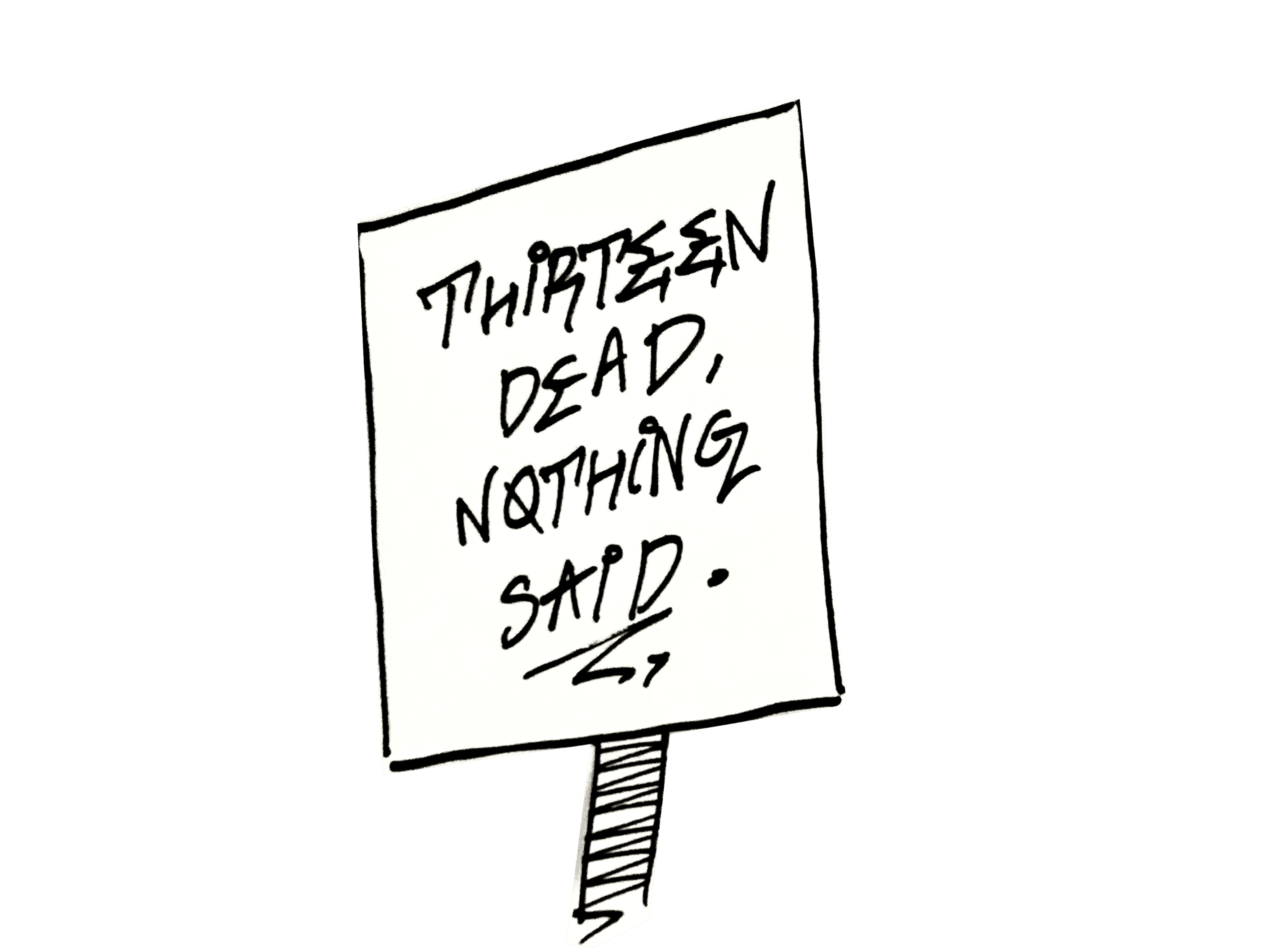
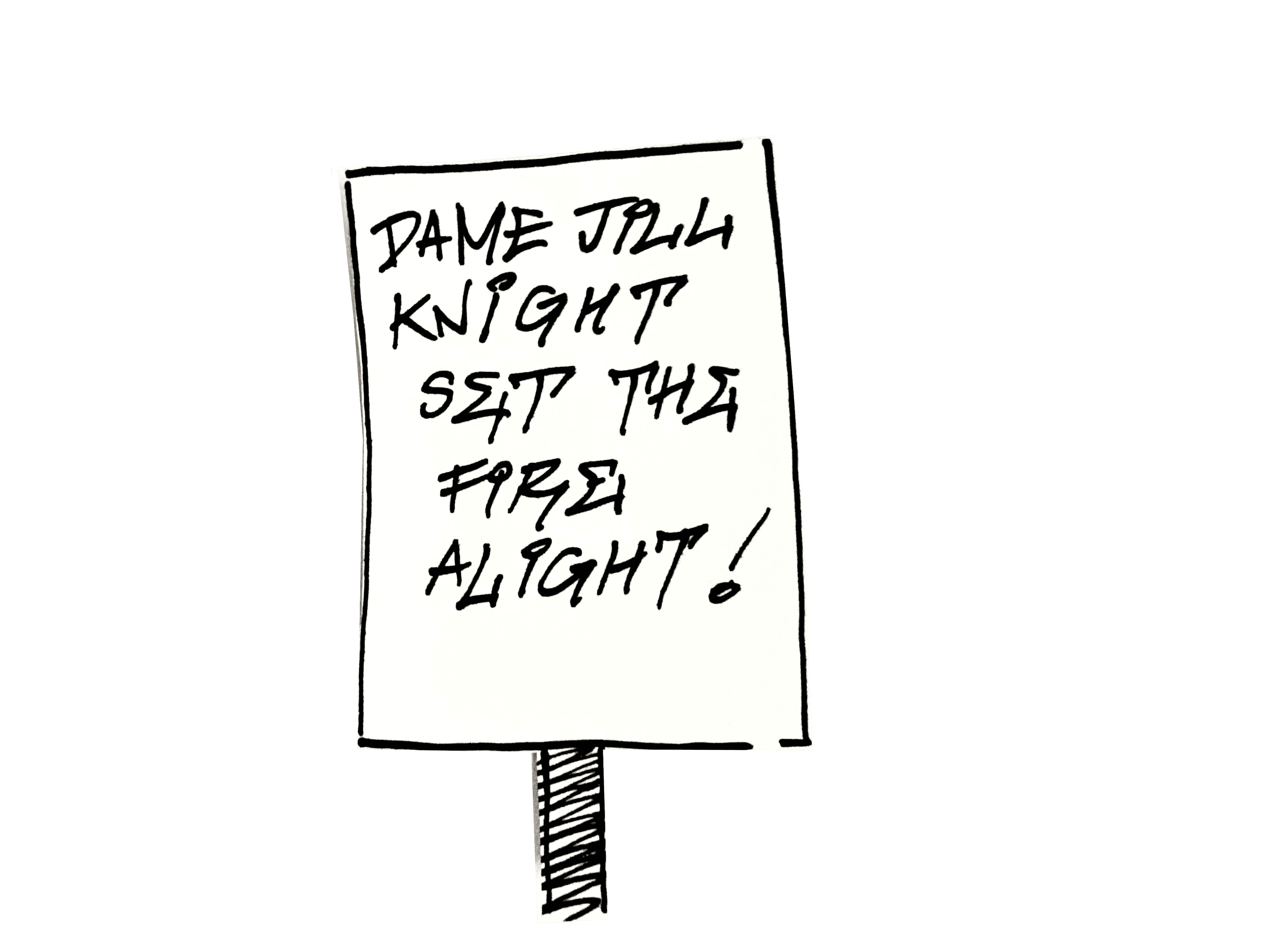

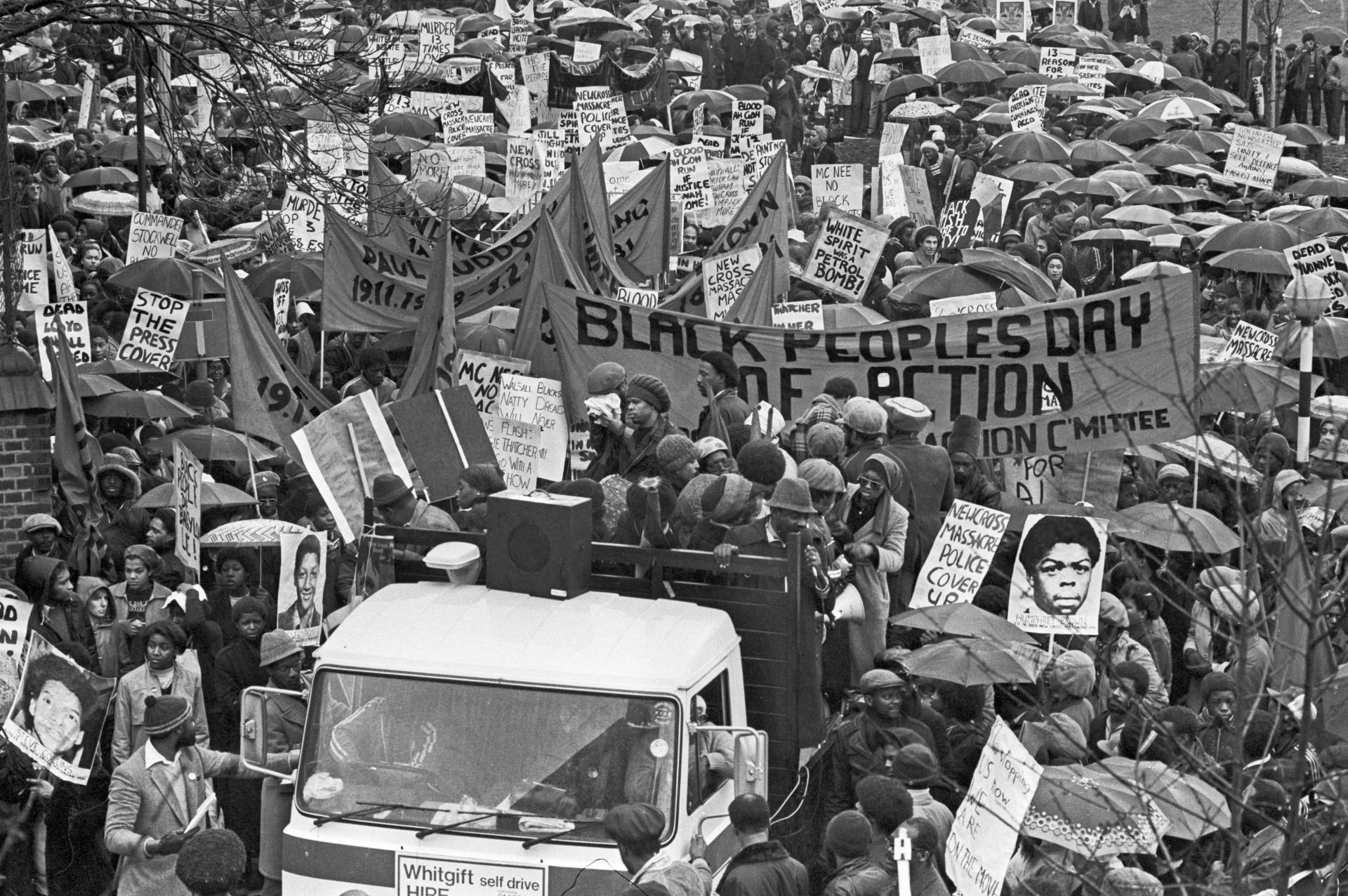
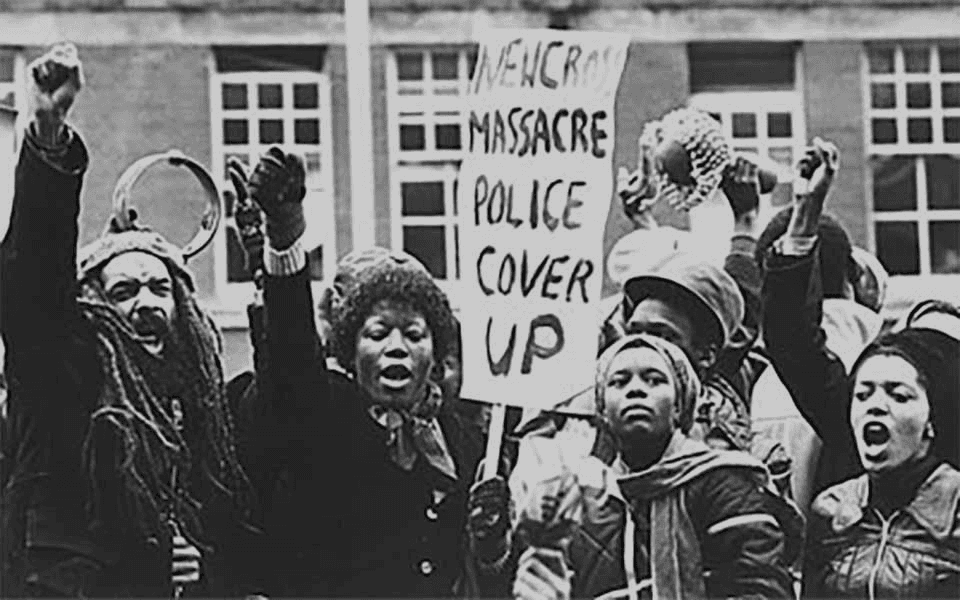
Angry with the police’s improper handling of the event and the lack of media attention, the newly-created New Cross Massacre Action Committee organized the Black People’s Day of Action. On the 2 March 1981, over 20,000 people marched from the site of the tragedy in New Cross to the Houses of Parliament to present a petition with their concerns to the government.
Ex-policeman Peter Bleksley recalls:
"If there was a young black lad waiting for a bus, and his face didn’t fit or he failed the attitude test – as it was called then – he’d get fitted up for ‘sus handbags’.
In other words, there’s little old ladies queueing for the bus, the bus arrives, the ladies walk towards it and the court is then told that the young black youth puts his hand in the lady’s handbag.
It never even happened."

THE RIOTS

With the entire community on edge, it would take little to spark a revolt.
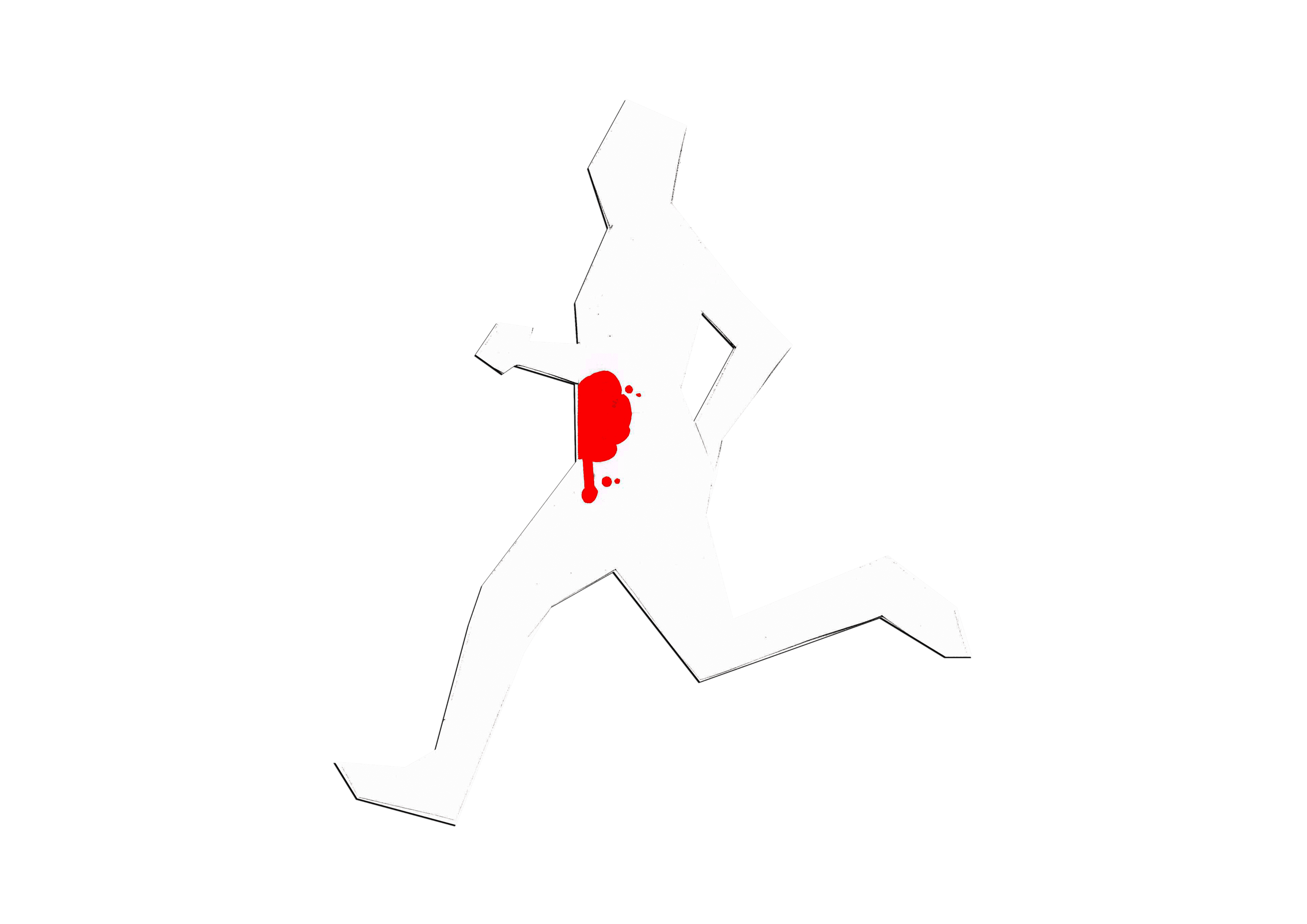

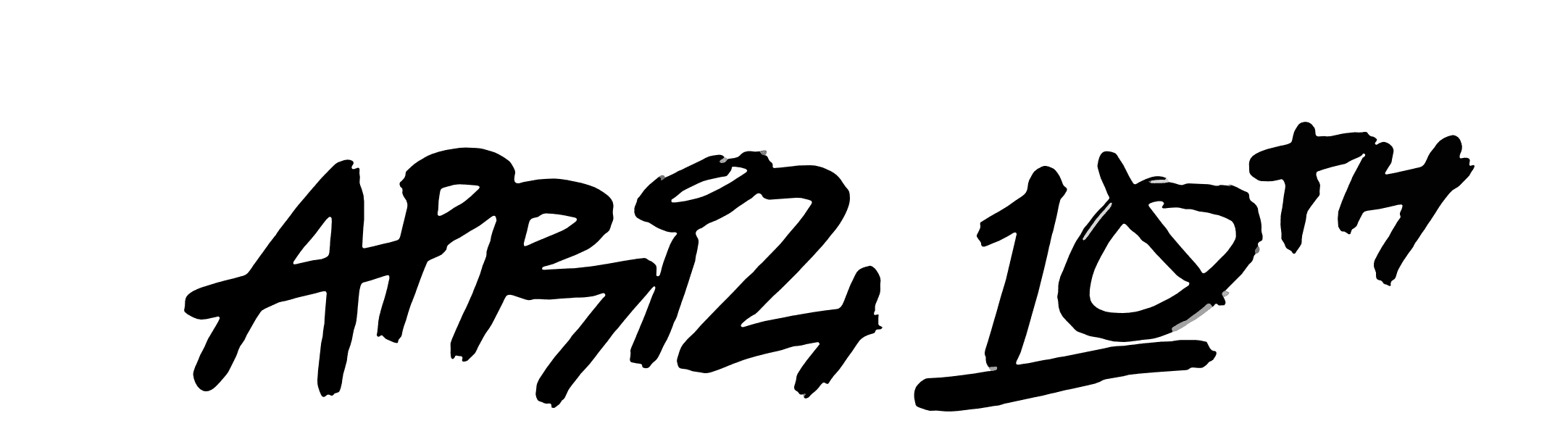
On the evening of April 10th, police constable Steve Margottia came across Michael Bailey, a young Black man suffering from a stab wound. Fearful of being arrested, the youth ran from the policeman. A crowd quickly gathered, thinking the policeman was preventing him from getting treatment or trying to arrest him. Bailey was placed in a mini-cab to the hospital but was quickly stopped by a police car. After realising what had happened, the police took him to the hospital, but to onlookers, it seemed as if he was being arrested.
Quickly, rumour spread that the youth had been prevented from going to the hospital, and even that Bailey had died due to the police’s negligence.
As rumour spread, anger swelled, but Operation Swamp didn’t die down – in fact, the Met Police doubled down and increased police presence in the area. By 4pm on the 11th April, tensions erupted and the locals fought back.
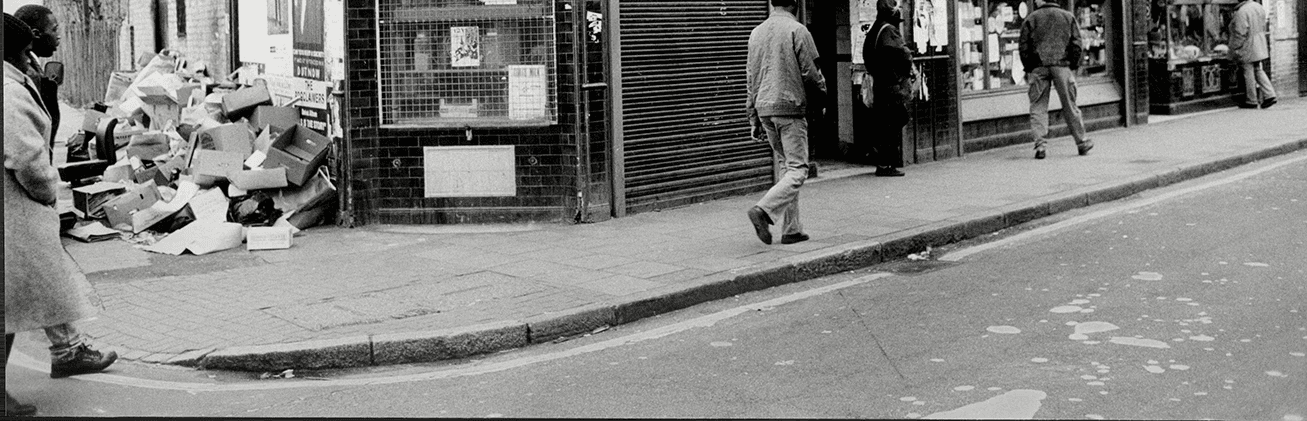
Residents began to throw bricks, bottles and Molotov cocktails, at police cars, officers, in the street and at buildings. Much of the uprising occurred on Railton Road (also called ‘The Frontline’), as well as the nearby Atlantic Road and Mayall Road. For the first time, people outnumbered the police, and officers from across London were called in to help.
The rioting continued throughout the night and into the morning of the 12th, but finally in the early morning had fizzled out.
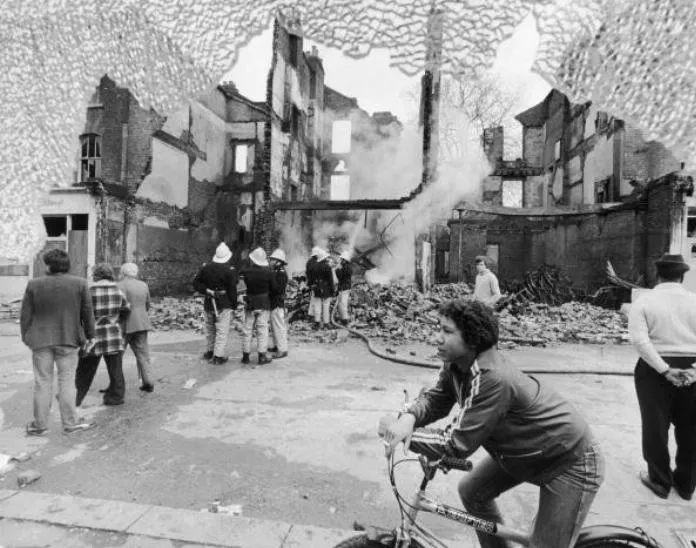

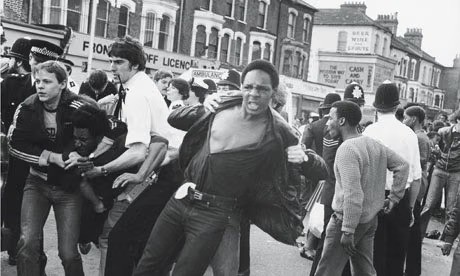
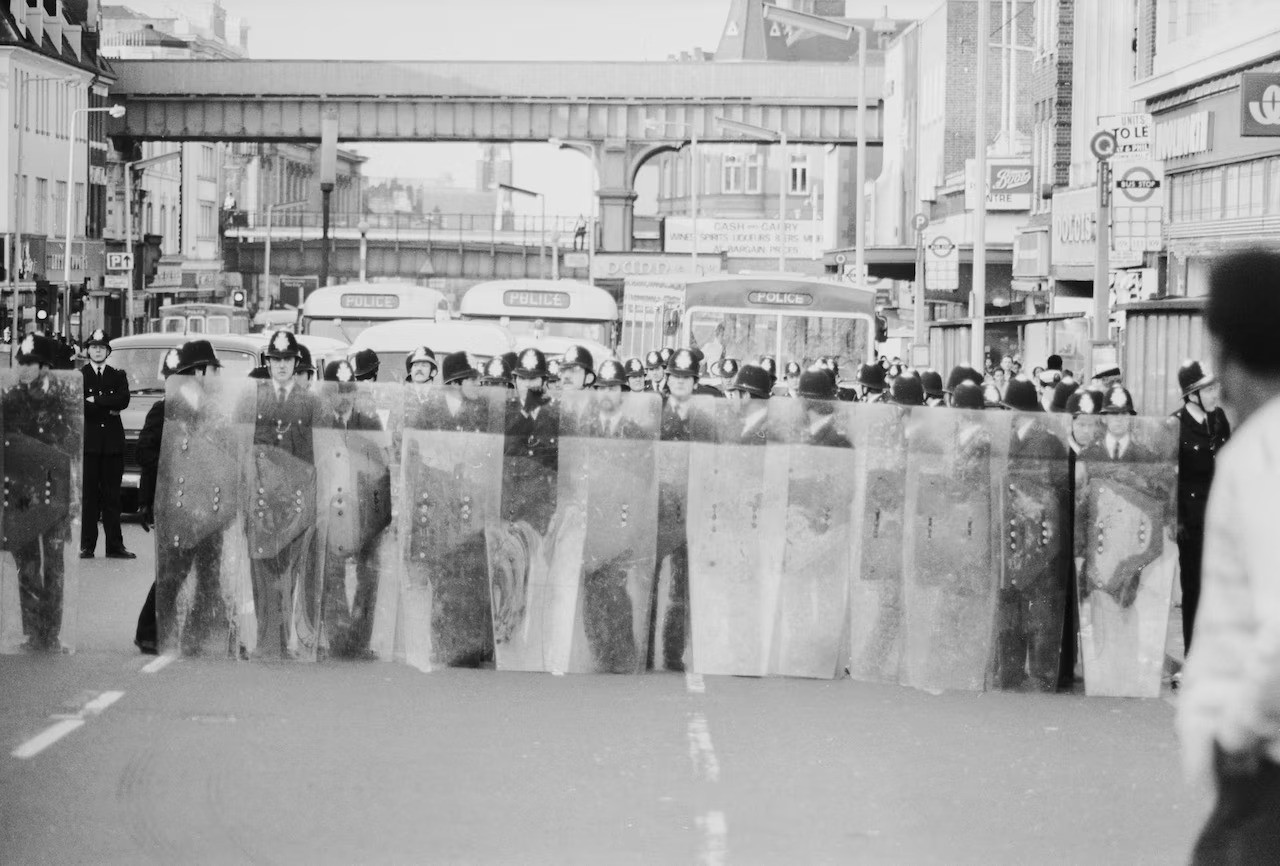
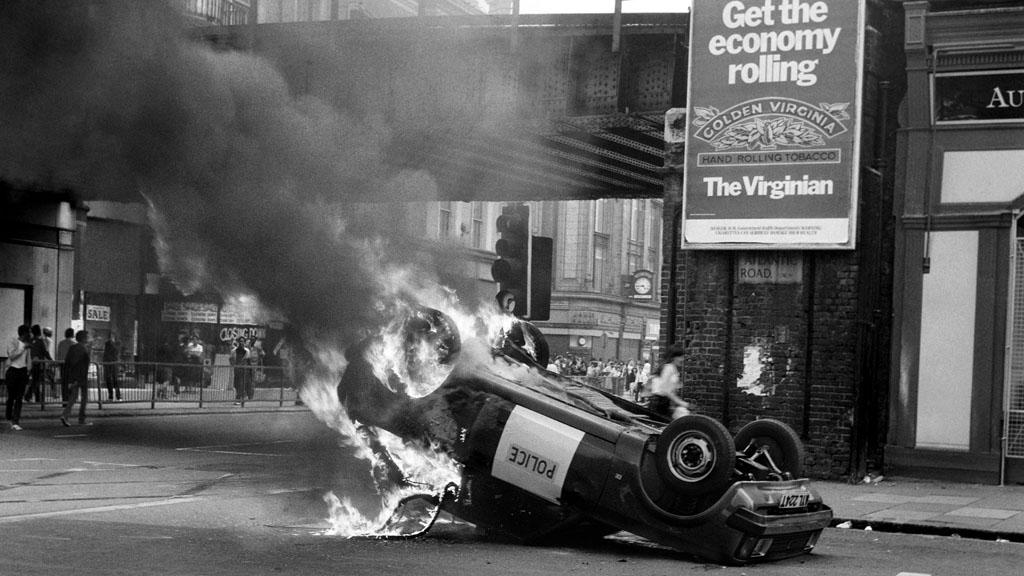
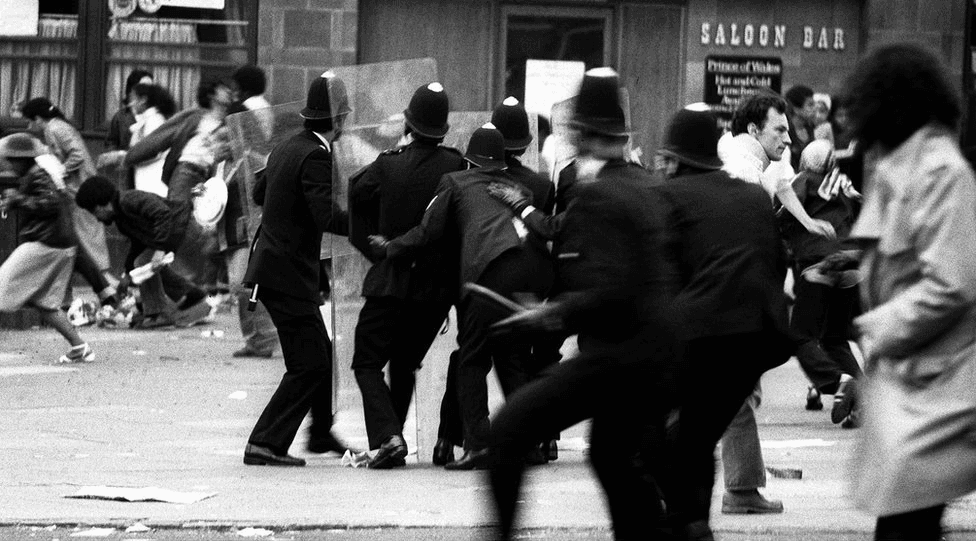
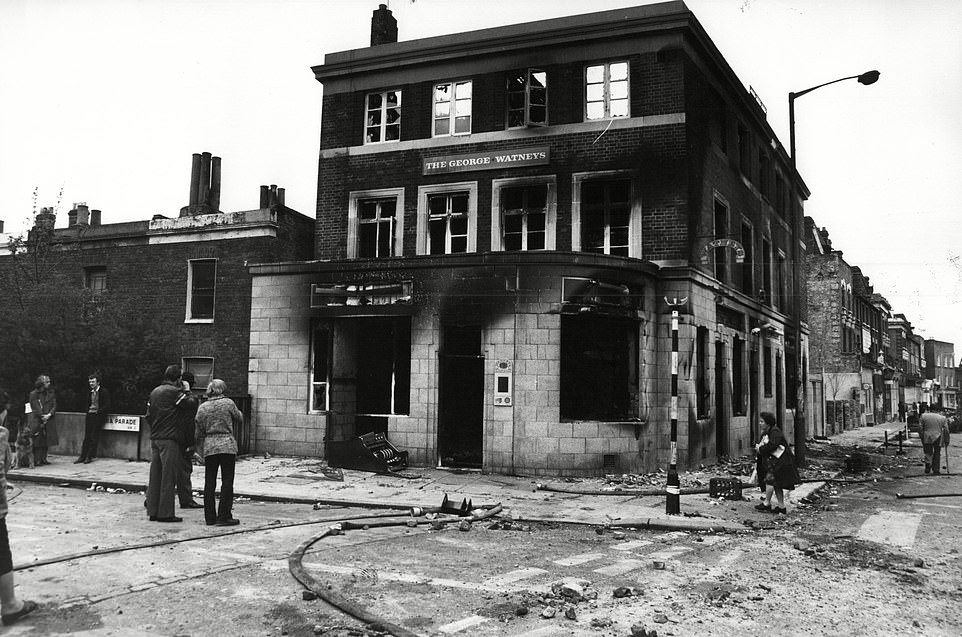
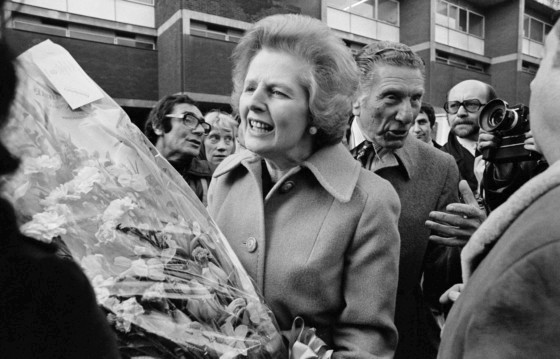
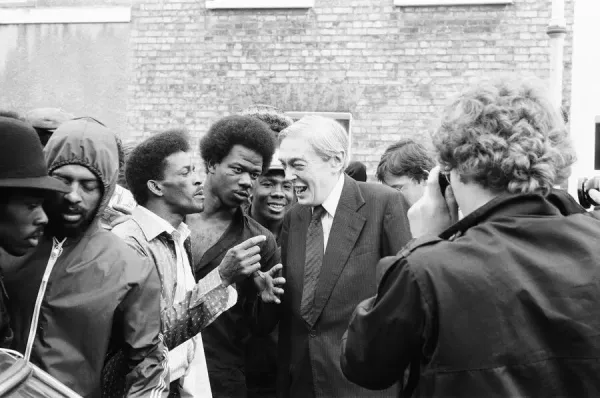
It took around 2,500 officers to end the uprising. Over 300 people (mostly police) were left injured, and 82 arrests were made.
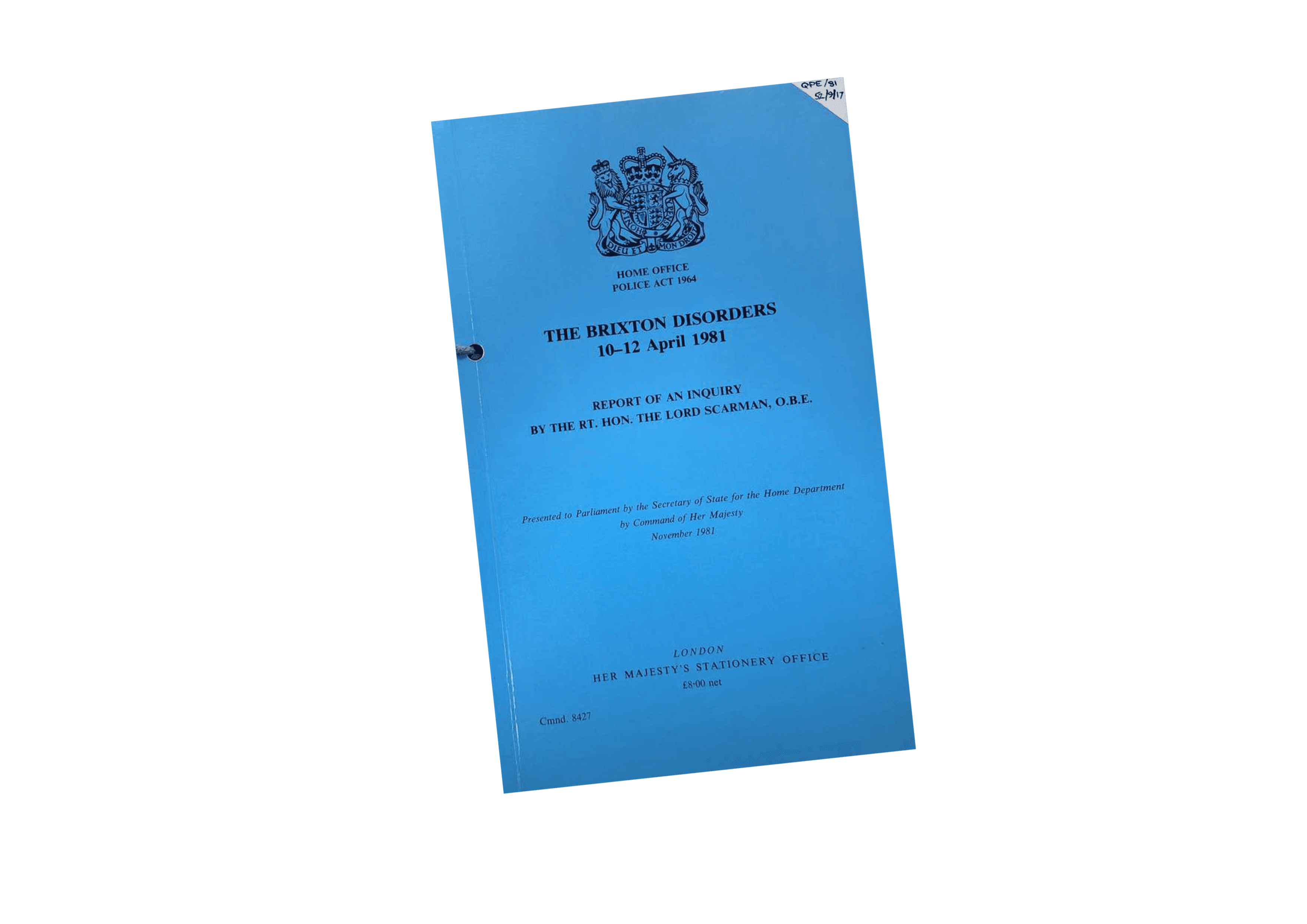

Contrary to Thatcher’s original comments, the report concluded the riots were a result of resentment towards the police, from a combination of high unemployment, racial disadvantage, and the new policies that had ignored the community’s unrest.
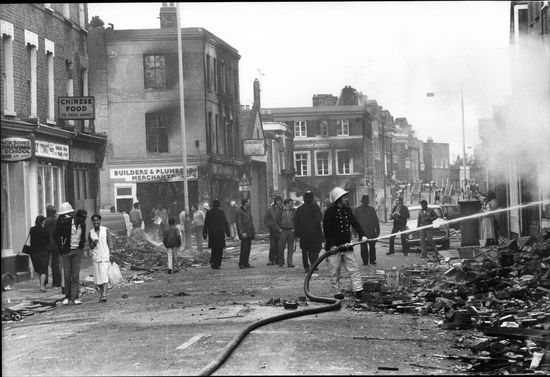
AFTERMATH
A day after the rioting had ended, Margaret Thatcher immediately denounced the events, saying, “Nothing, but nothing, justifies what happened on Saturday and Sunday night,” and added that the idea of police occupying Brixton was “absolute nonsense”.
But soon, perspectives would change: two days later, the Home Secretary commissioned Lord Justice Leslie Scarman, a senior judge, to investigate the disorders. The Scarman report was released in November of 1981.
The Scarman report was generally well received, as Scarman had talked to the community themselves and people involved to get an understanding of why the riots had occurred. Although Scarman denied the concept of institutional racism, the report encouraged change in the police force – for example, suggesting the recruitment of more ethnic minorities. In August of the same year, sus laws were abolished. The uprising shone a needed light on the race relations at the time.
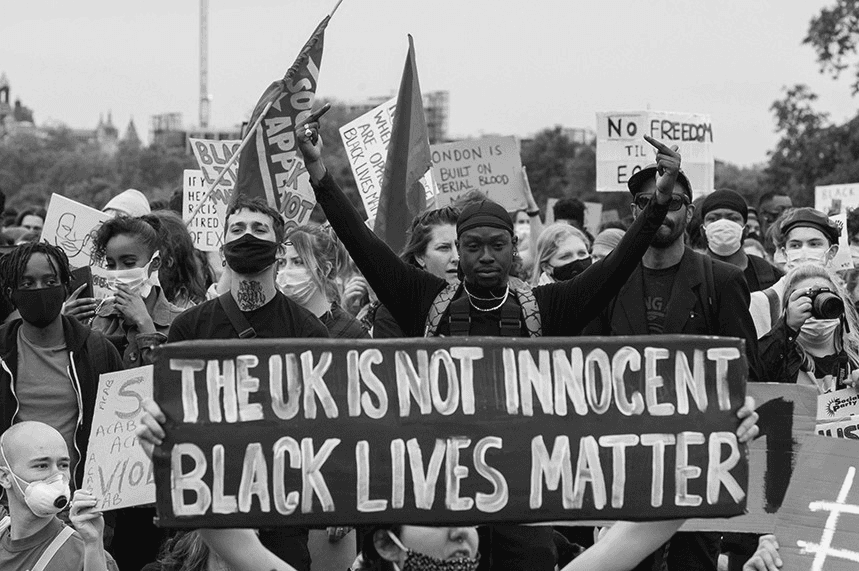
HISTORY REPEATS

Though the short-term impact resounded across Britain, the work wasn’t (and still isn’t) over.
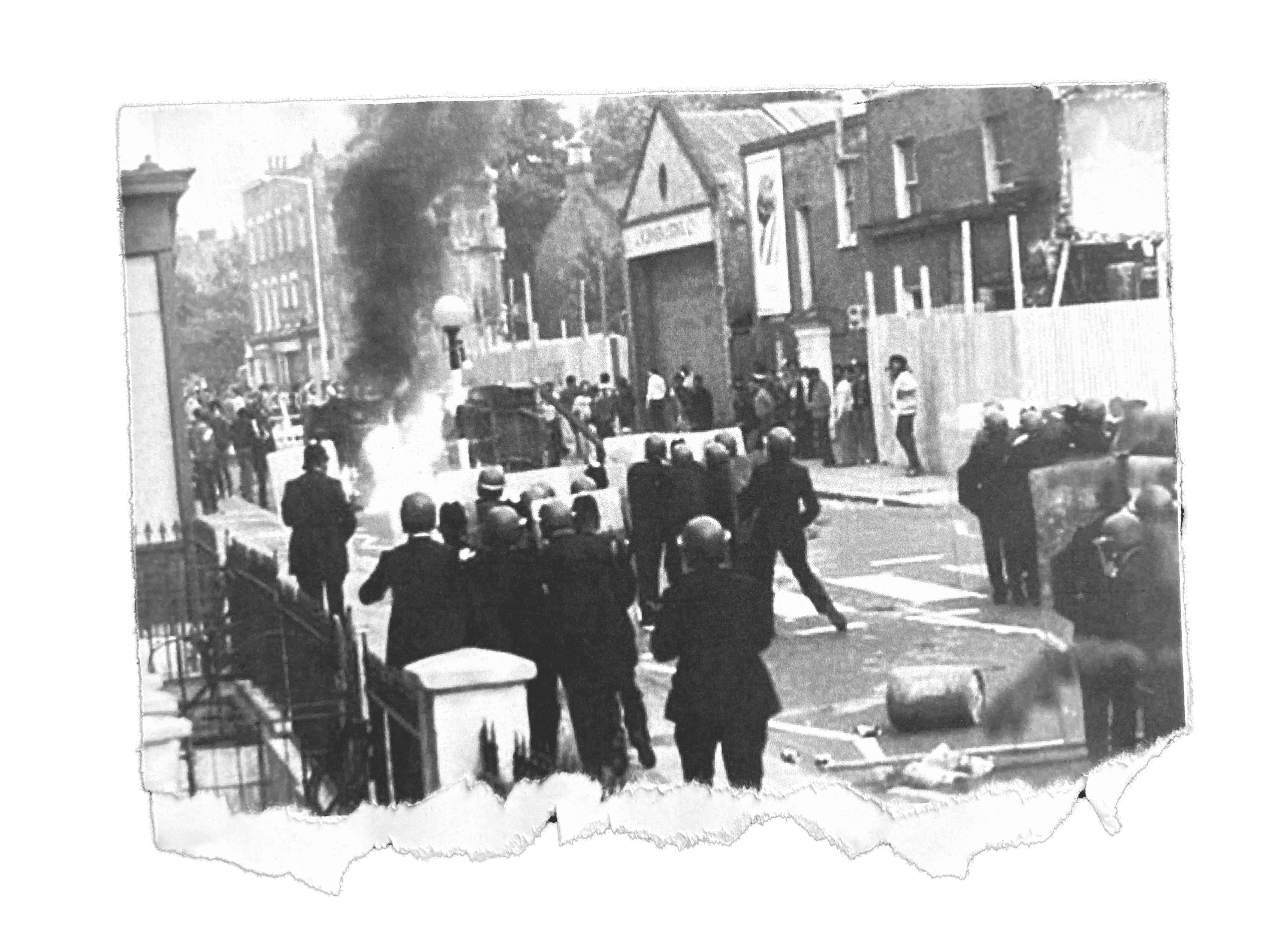
In 1985, the shooting of Cherry Groce during a police raid, which left her paralysed from the chest down, would trigger another uprising.
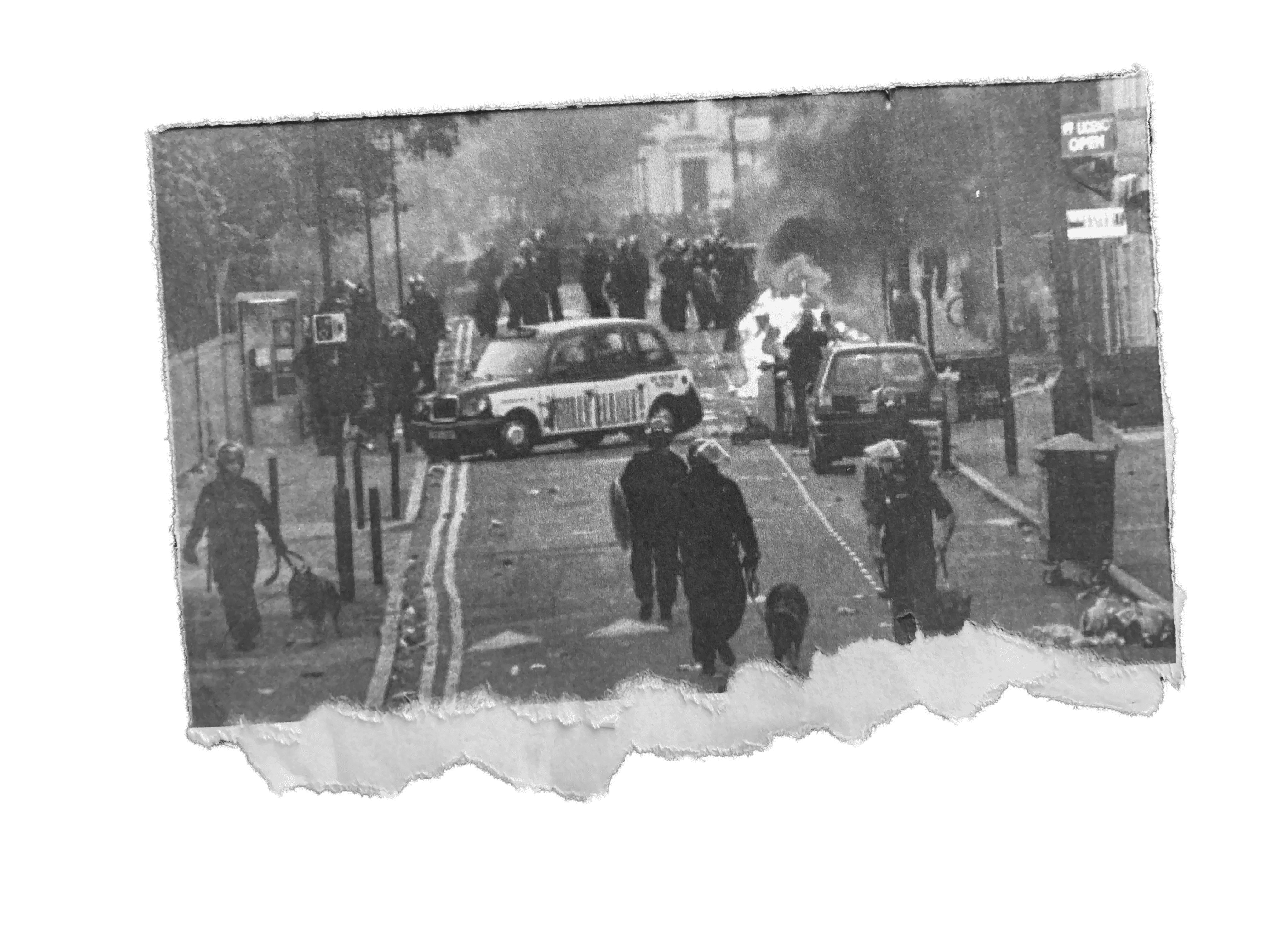
In 2011, riots would erupt across England, including Brixton, following the murder of Mark Duggan by police in Tottenham.
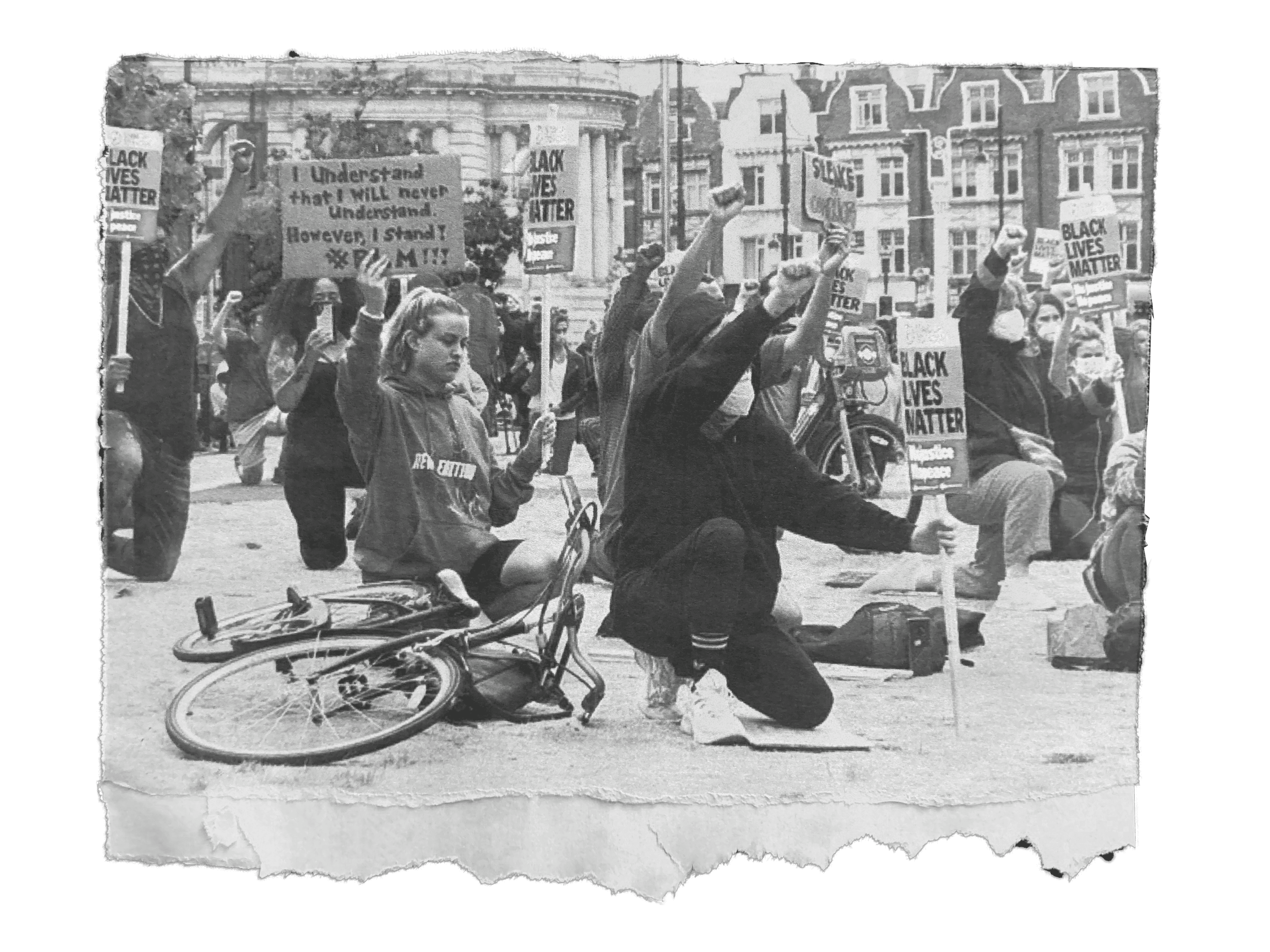


In 2020, the murder of George Floyd in the US would spark protesting across the world, including in Brixton.
But today, not much has changed. With many parallels in the political situation in 1981 and now in 2026, 45 years later, these uprisings are far from the last.
TODAY

Unemployment rates for Black people are still higher than the national average, similar to the recession in the early 80s.
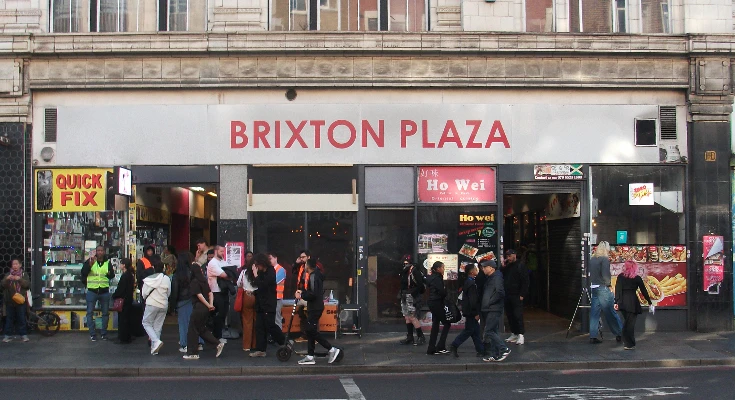
Gentrification is pushing out many of the immigrants that made Brixton what it is today, with rising rents and the replacement of small family-owned businesses with chains.
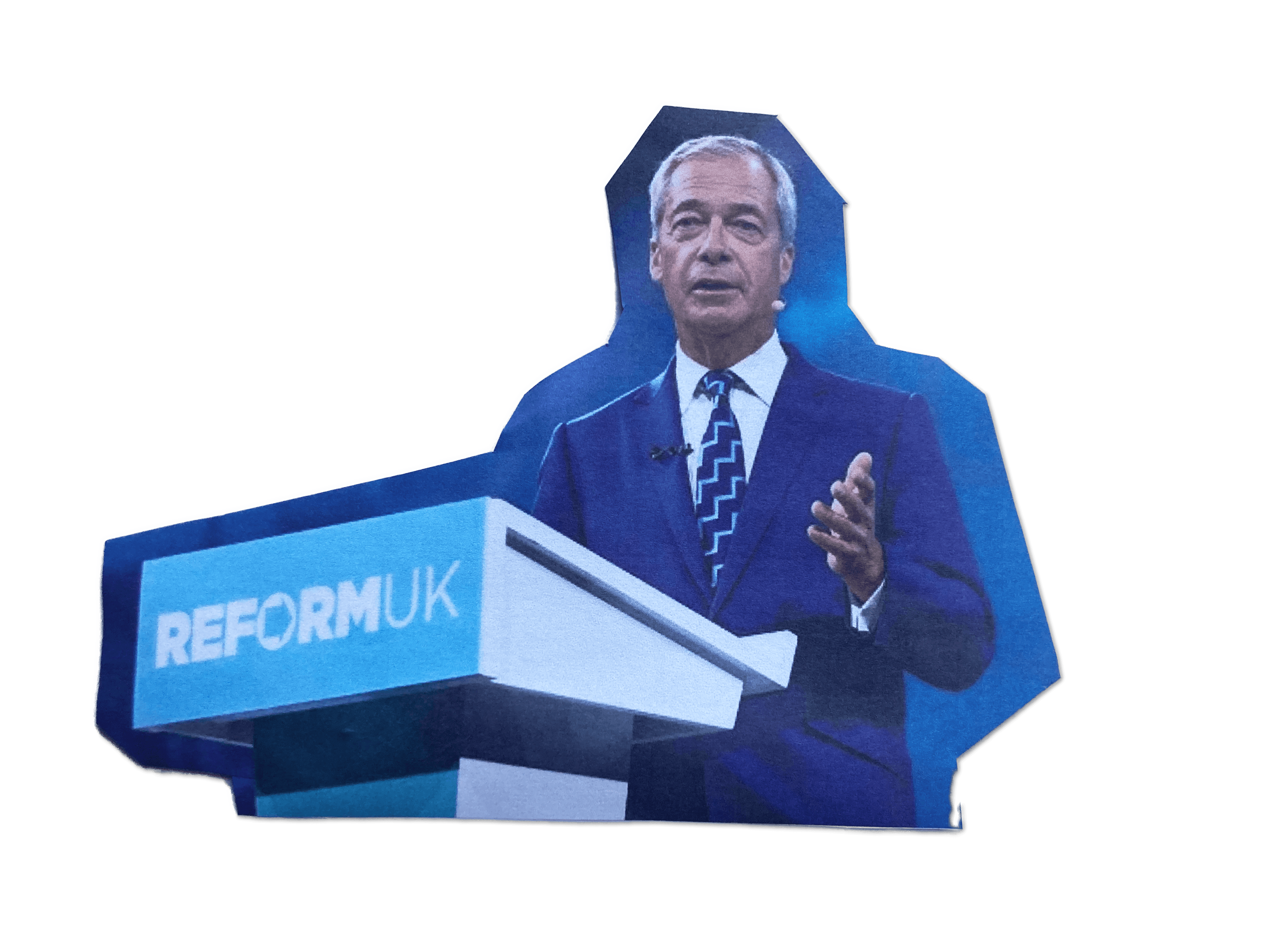
Anti-immigrant sentiment is higher than ever in recent years, with political parties, such as Reform UK, using migrants as a scapegoat for other issues in the the country. A recent poll revealed 25% of voters intend to vote Reform, beating out all other parties.
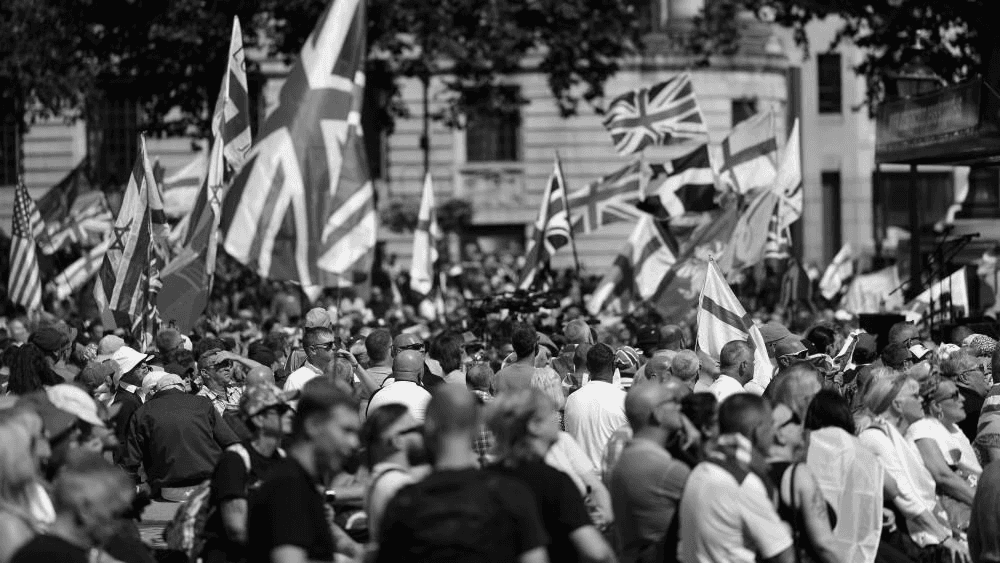
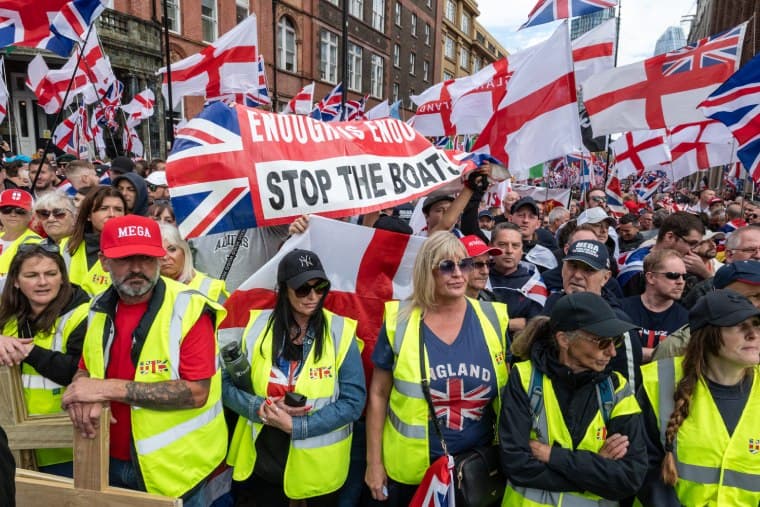
Though the National Front have now mostly fizzled out, they’ve been replaced by other functionally identical far-right groups – primarily the English Defence League (EDL). The EDL are an Islamaphobic ultra-nationalist group who oppose immigration. Like the NF, marches organised by co-founder Tommy Robinson, aim to intimidate minorities and spread the same hateful ideology which led in part to the riots.
It is important to make your voice heard: vote in the upcoming local election, spread awareness and stand up to inequality.
Designed + written by Malika C.